
For a long time, the feature wall was the default way to add interest to a room. One painted wall, one wallpapered wall, one effort to break things up. Sometimes it worked. A lot of the time, it just looked like one wall had been treated differently while the rest of the room carried on as before.
Murals feel far more complete. They do not sit apart from the room in the same way. A good mural can soften a space, add drama, shift the mood, or pull the palette together from the moment you walk in. It can be the first thing your eye lands on, but it can also do quieter work in the background, giving the room depth, character, and a stronger sense of itself.
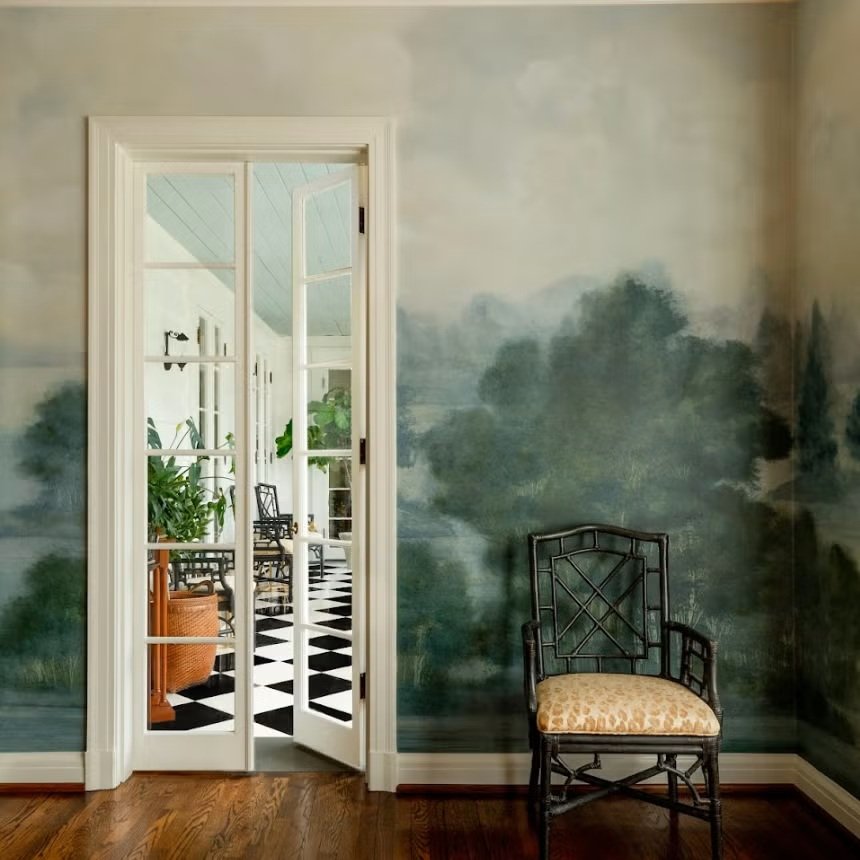
Credit: Leslee Mitchell
Part of what makes murals so appealing right now is their range, they are not tied to one look or one style of home. A mural can be soft and atmospheric, like a landscape that almost blurs into the architecture. It can feel romantic and detailed, or it can bring in colour, movement, or a stronger visual rhythm. It can also be graphic and modern, with none of the traditional motifs people often associate with murals.
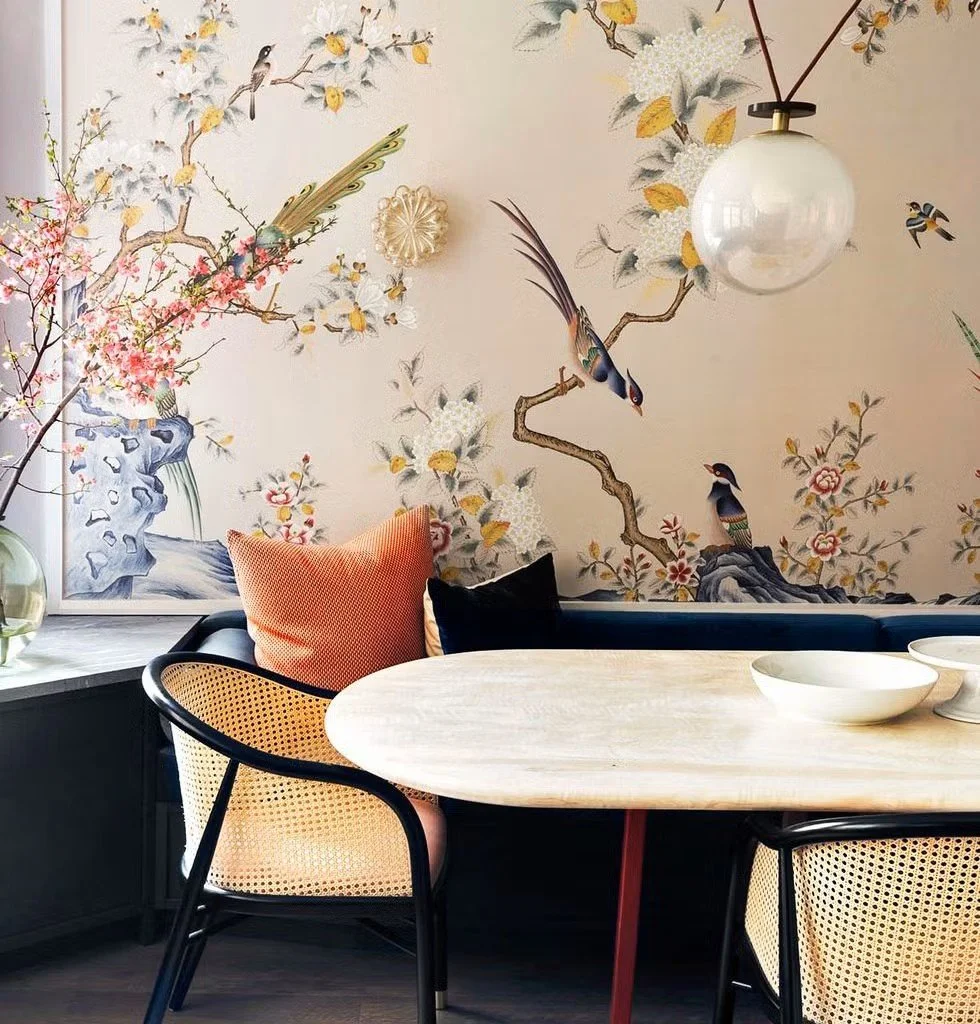
Credit: Studio DB
That range really matters because it changes the conversation. Murals are no longer only for very formal rooms or very decorative homes, they can work in ways that feel gentle and understated, or bold enough to change the whole energy of a space. Some add softness, and some bring drama. Some act almost like large-scale artwork, giving the room a focal point that feels built in rather than added later.
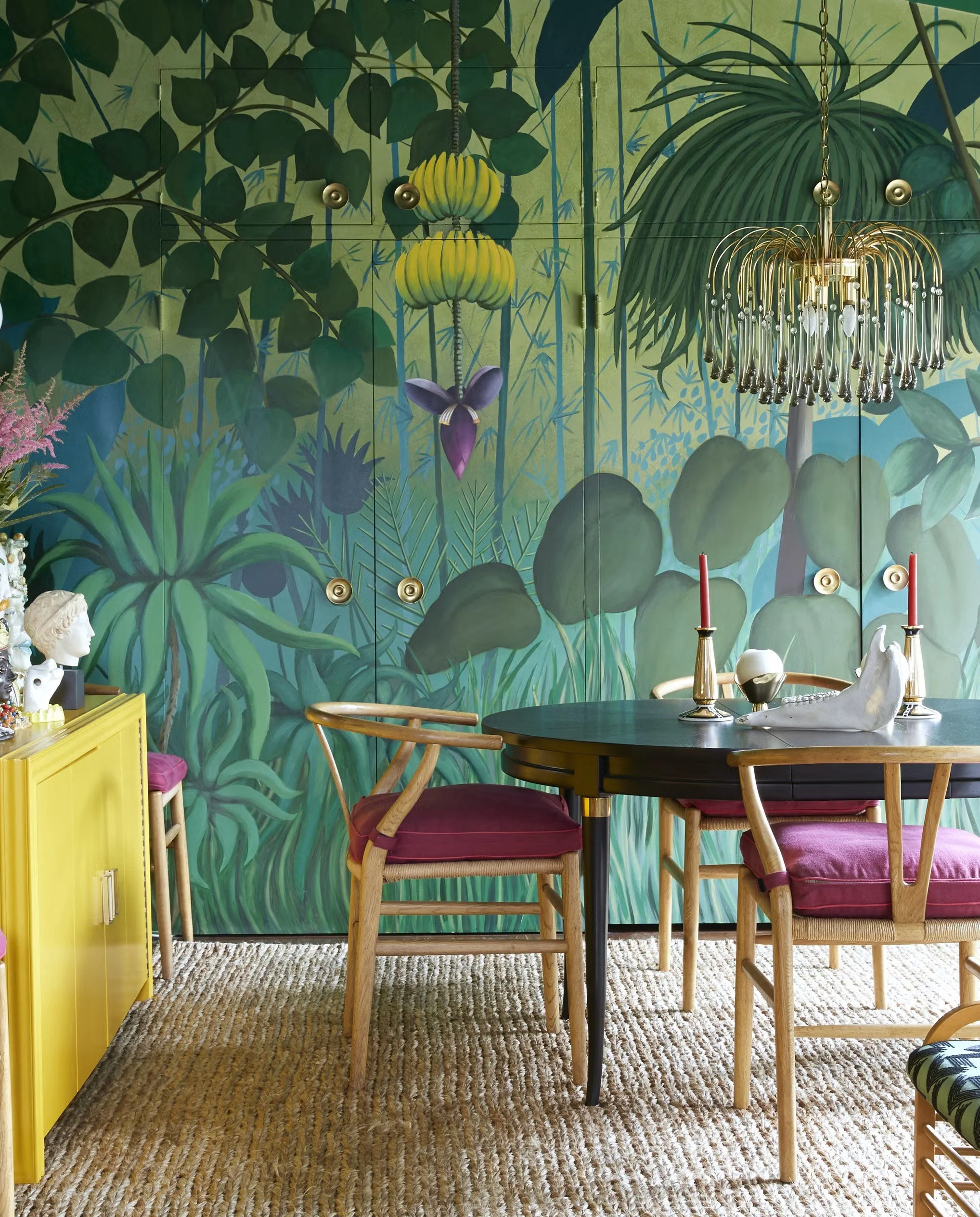
Credit: Victoria Pearson
They also feel more current than the old version of the accent wall because they do more. An accent wall can often feel separate from the rest of the room, and a mural has the chance to connect everything around it. It can echo nearby colours, support the furniture, and make the room feel more layered as a whole. That is when it really works, when it feels woven into the room.
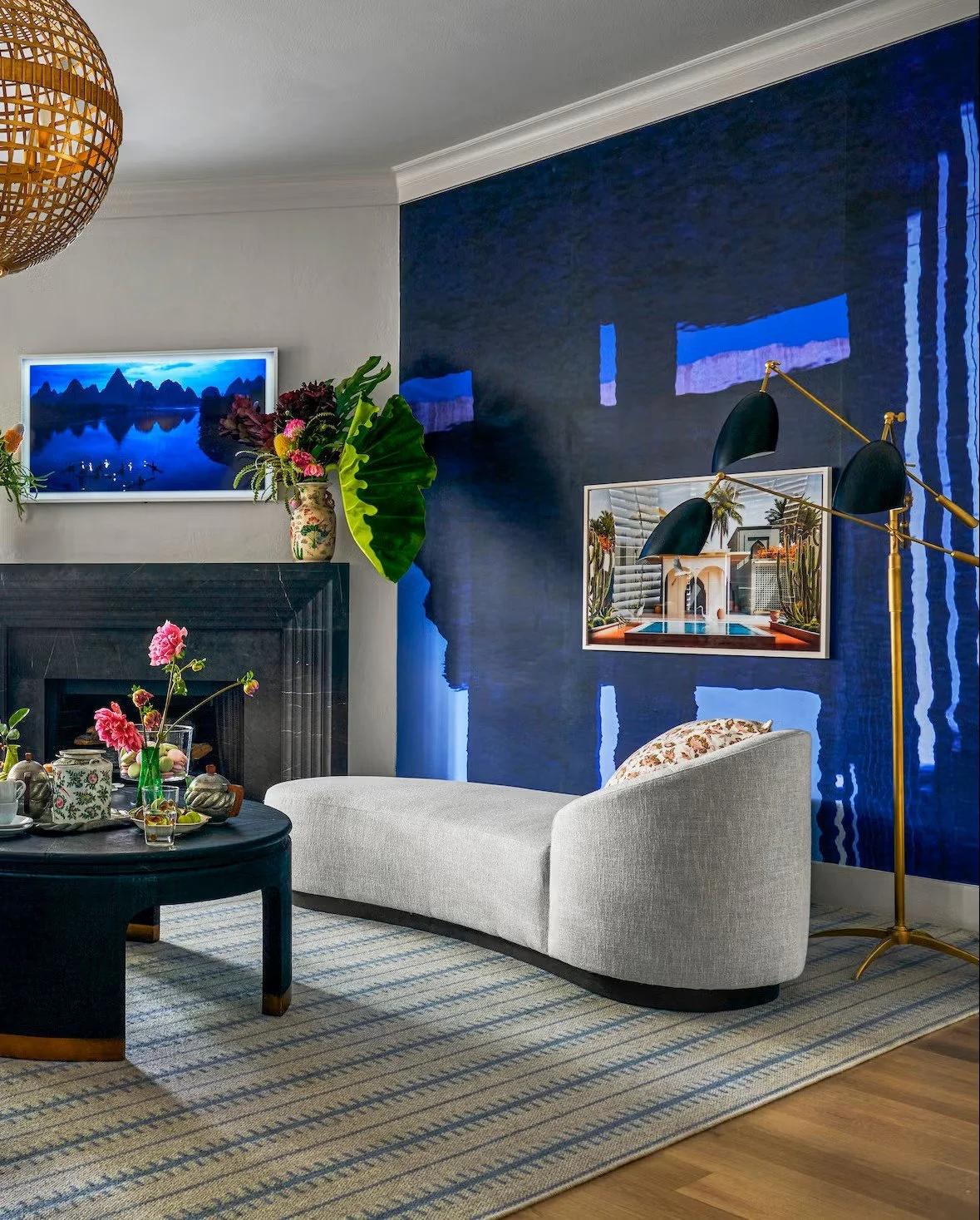
Credit: Nathan Schroder
That does not mean every mural has to be elaborate or traditional. Some of the most effective examples are the ones that take a simpler, more modern approach. A mural can be abstract, it can be loose, graphic, and bold. It can bring shape and movement to a hallway, a dining room, or a bedroom without relying on florals or scenic detail. The point is not the style itself, the point is what it brings to the room.
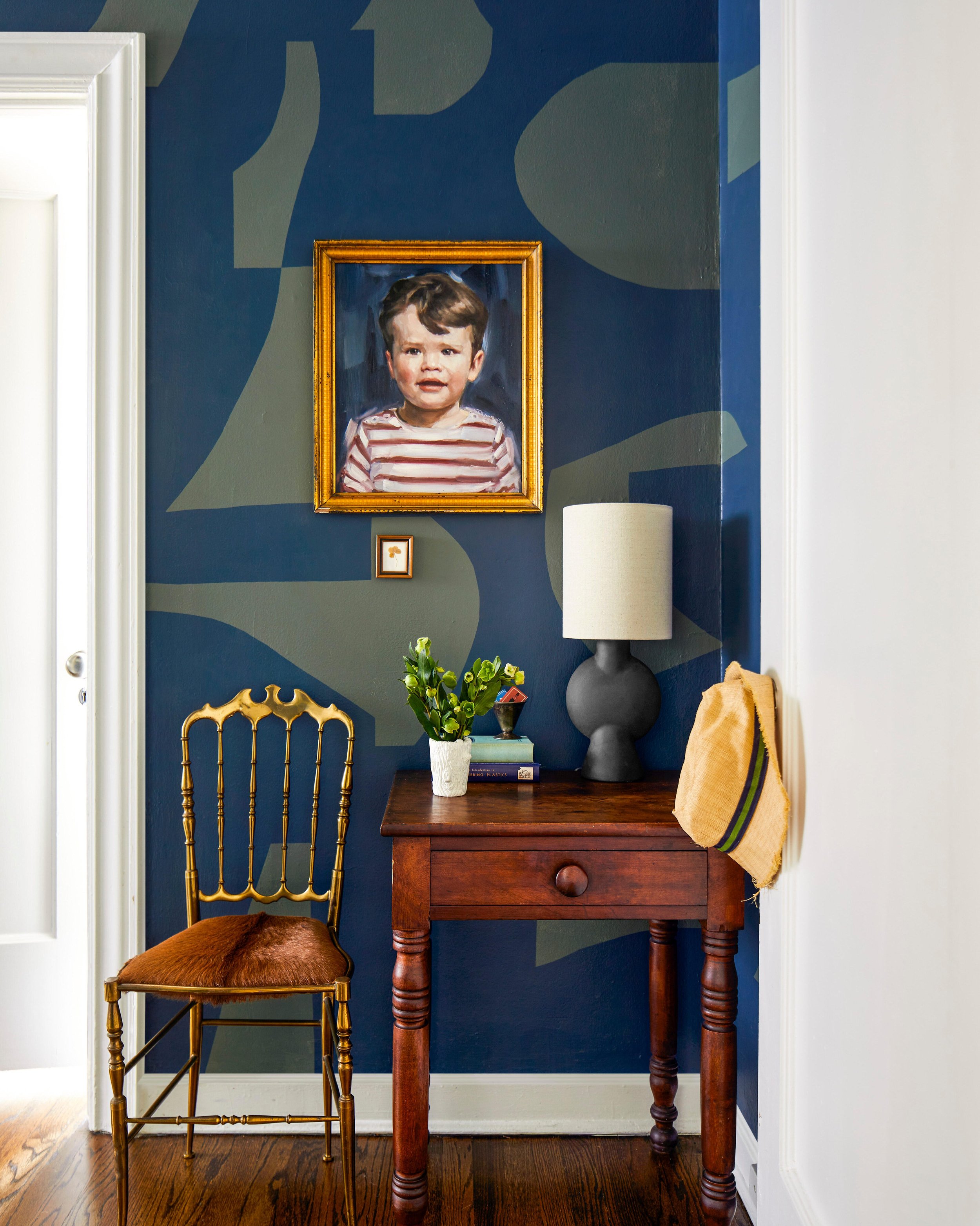
Credit: Nicolas Gourguechon
Not every mural is hand-painted, either. Some are custom painted by artists. Others are wallpaper or panelled wallcoverings that create the same large-scale effect. What matters most is not the method, but the result. It should feel like more than a repeating pattern, it should change the room in some way, whether that means adding softness, depth, colour, or a stronger point of view.
What I like most about murals is that they can shape the feeling of a room before you have even taken in the furniture. They draw the eye, set the tone, and make a space feel more distinct from the moment you walk in.