
Have you ever walked into a home and immediately felt calmer?
Often, it's not because of a particular decorating style. It's because the space feels connected to the natural world. Sunlight fills the room, natural materials add warmth, and every element works together to create a home that feels comfortable and inviting.
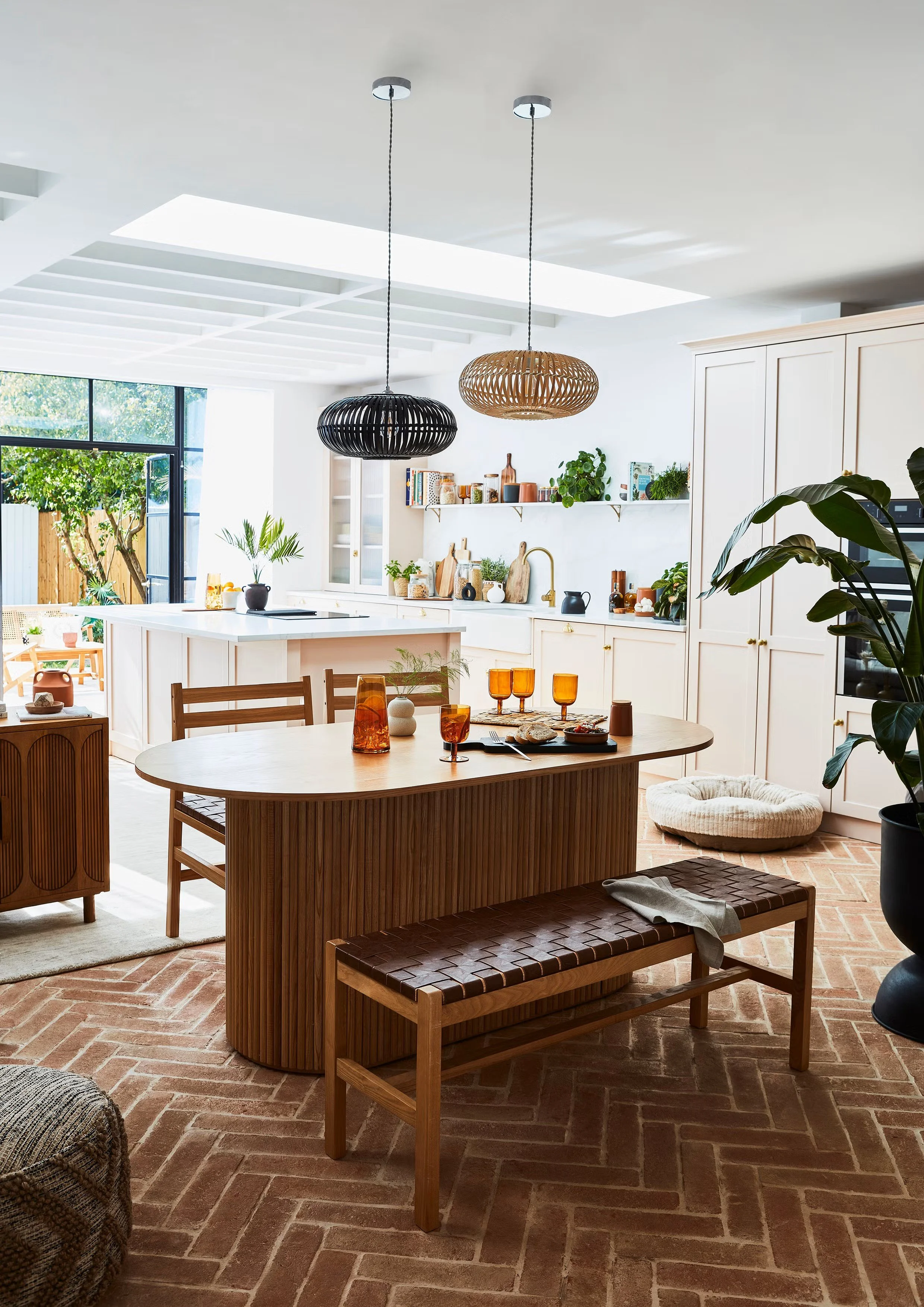
This is the idea behind biophilic design. Rather than simply adding a few plants, it's an approach to designing spaces that strengthen our connection with nature. Whether through natural light, organic textures, wood, stone, or views of the outdoors, biophilic design focuses on creating homes that support the way we live and how we feel within them.
What Is Biophilic Design?
The word biophilia means a love of life and the natural world. Biophilic design takes that idea and applies it to our homes by incorporating elements that help us feel more connected to nature.
It isn't about following a particular design trend or filling every corner with greenery. Instead, it's about making thoughtful choices that create spaces that feel calm, welcoming, and lived in.
Credit: Dunelm
How Does Biophilic Design Come to Life?
Every home is different, but there are a few principles that can help create a stronger connection to nature.
Make the Most of Natural Light
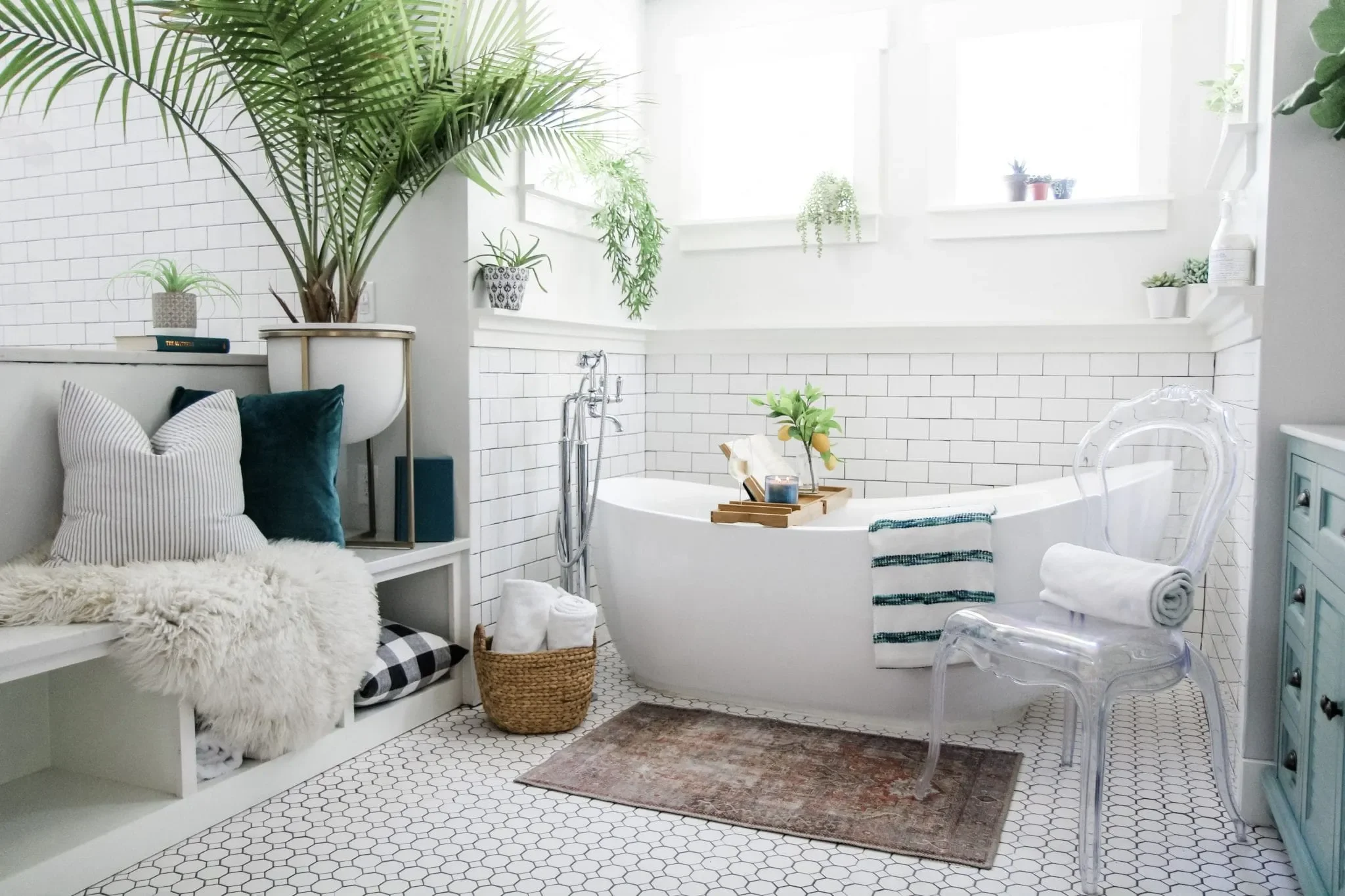
Natural light can completely change the feeling of a space. Large windows, open sightlines, and light finishes help brighten a home while creating a stronger connection to the outdoors.
Credit: Decorilla
Choose Natural Materials
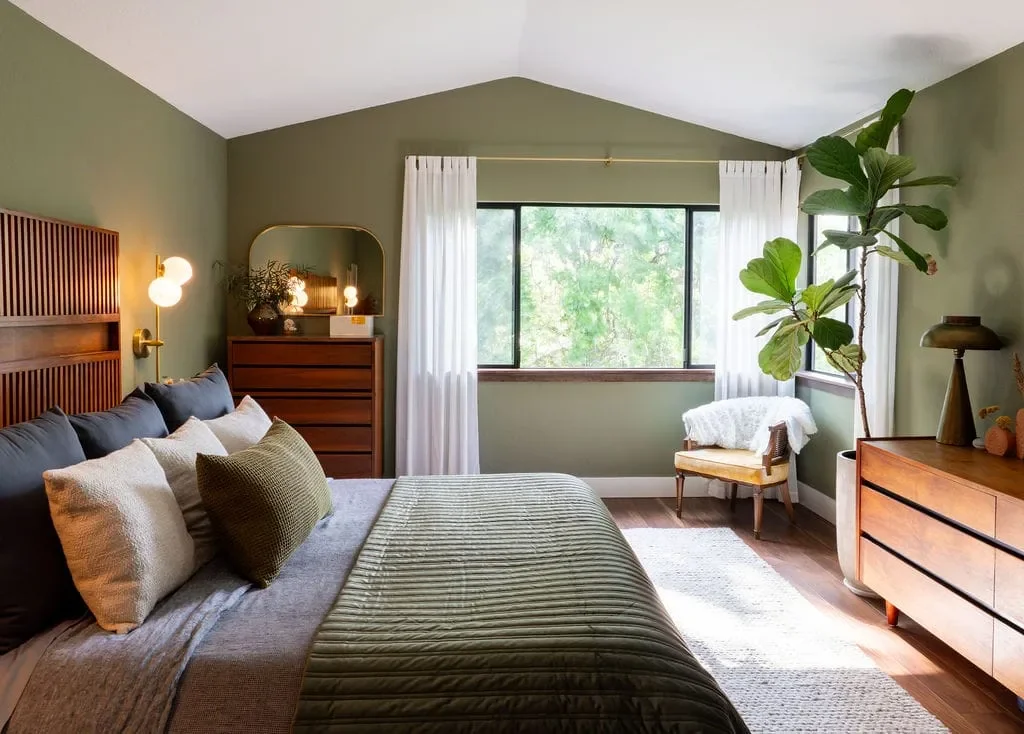
Wood, stone, linen, wool, and other natural materials add warmth, texture, and character. These materials tend to age beautifully and create spaces that feel timeless rather than overly styled.
Credit: Decorilla
Create a Connection to the Outdoors
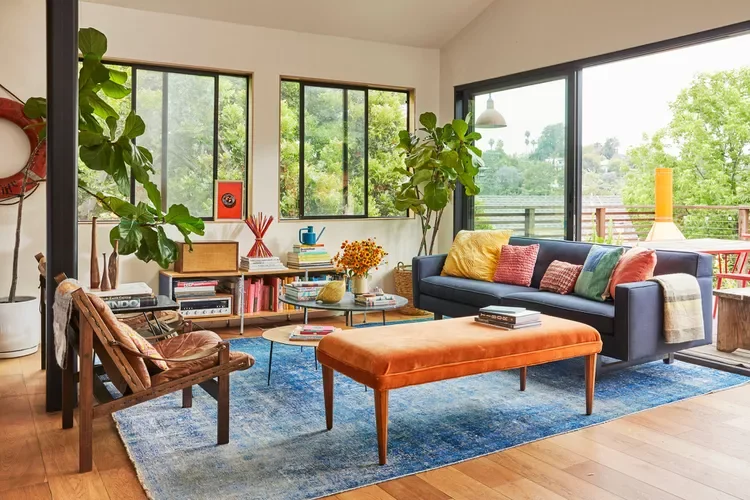
A view into the backyard, access to a patio, or even arranging furniture to make the most of a beautiful landscape can help blur the line between indoors and out.
Credit: Justin Coit
Layer Natural Textures
Texture is just as important as colour. Woven materials, textured fabrics, timber, stone, and ceramics bring depth and warmth without overwhelming a space.
Add Greenery Where It Makes Sense
Plants can certainly be part of biophilic design, but they don't need to dominate the room. Even a few thoughtfully placed plants can soften a space and reinforce that connection to nature.
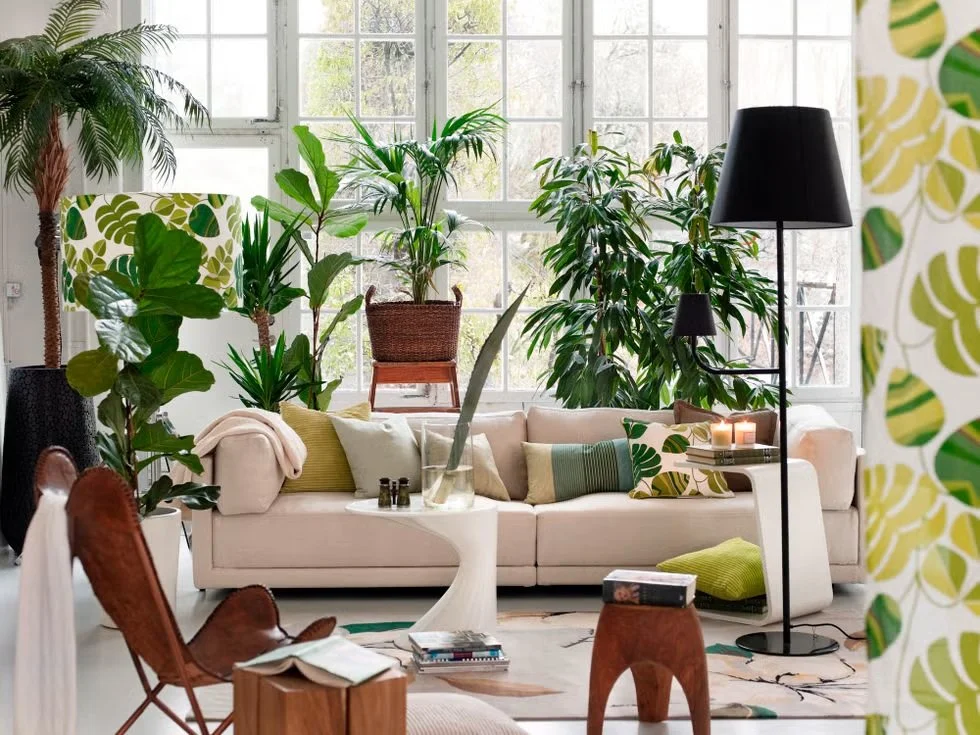
Credit: Per Magnus Persson
It's About How a Home Feels
One of the things I appreciate most about biophilic design is that it isn't focused on creating a particular look. Instead, it encourages thoughtful design choices that help a home feel comfortable, welcoming, and connected to its surroundings.
Whether that's maximizing natural light, choosing materials that bring warmth and texture, or creating a stronger connection between indoor and outdoor spaces, these elements work together to create a home that's enjoyable to live in every day.