
The Kitchen Backsplash: Where Style Meets Function
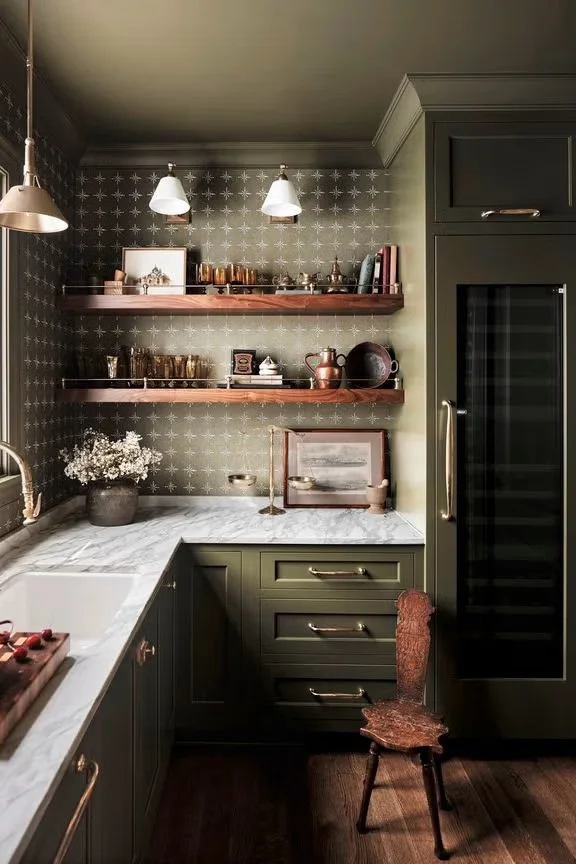
A kitchen backsplash does more than protect your walls from everyday splashes and spills. It also plays an important role in bringing the entire space together.
Credit: Joseph Bradshaw
Whether you prefer a subtle backdrop or a feature that adds texture and character, the right backsplash should complement your cabinetry, countertops, and overall design while standing up to daily life.
Consider the Overall Style of Your Home
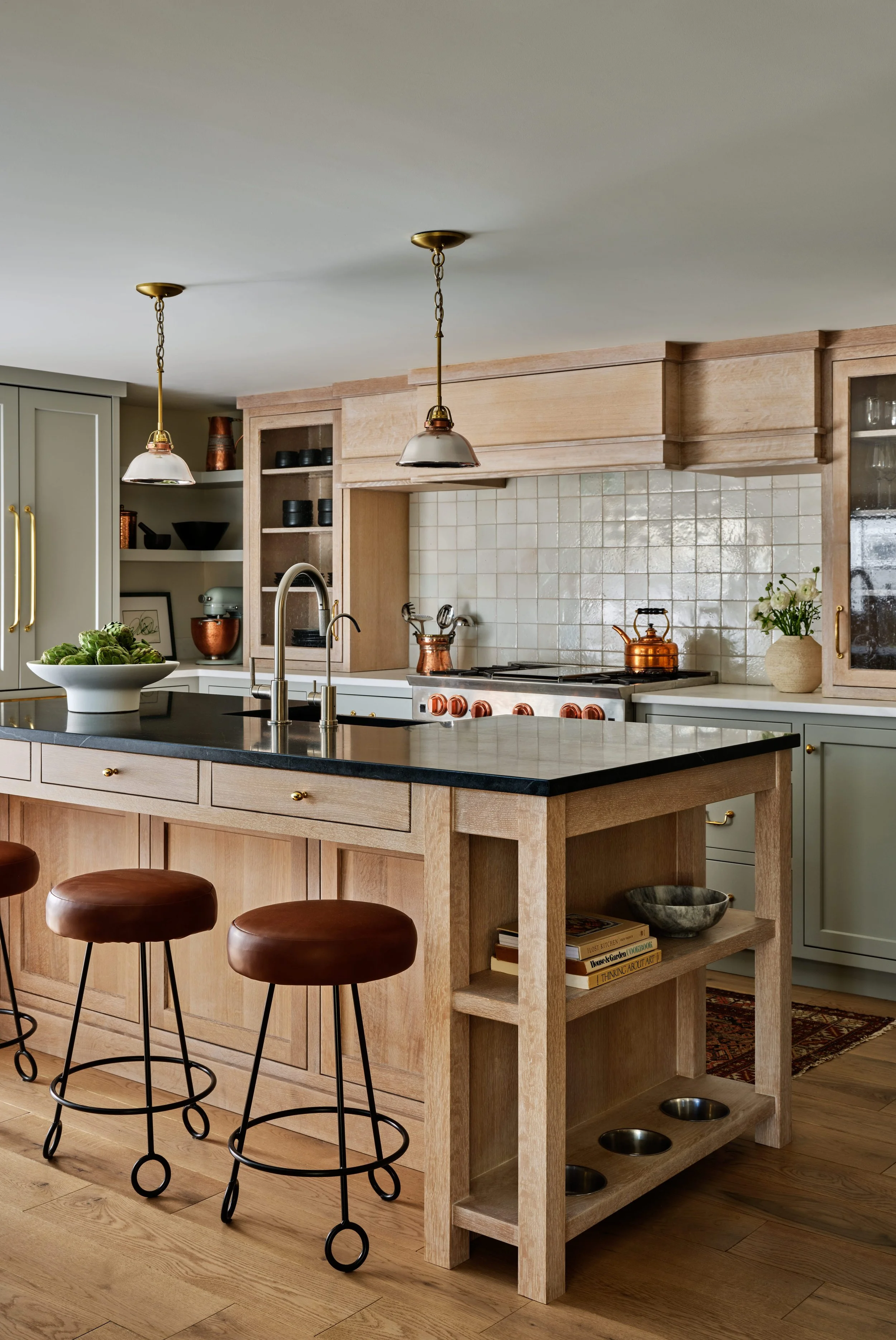
Before choosing a tile or slab, think about how your backsplash will fit within the rest of your home. A cohesive design feels balanced and allows each element of the kitchen to work together.
Credit: Read McKendree
Classic subway tile creates a timeless look, while stacked tile offers a clean, contemporary feel. Natural stone adds warmth and texture, and full-height slab backsplashes create a seamless, sophisticated finish.
Choose Materials That Suit Your Lifestyle
Your backsplash should be as practical as it is beautiful.
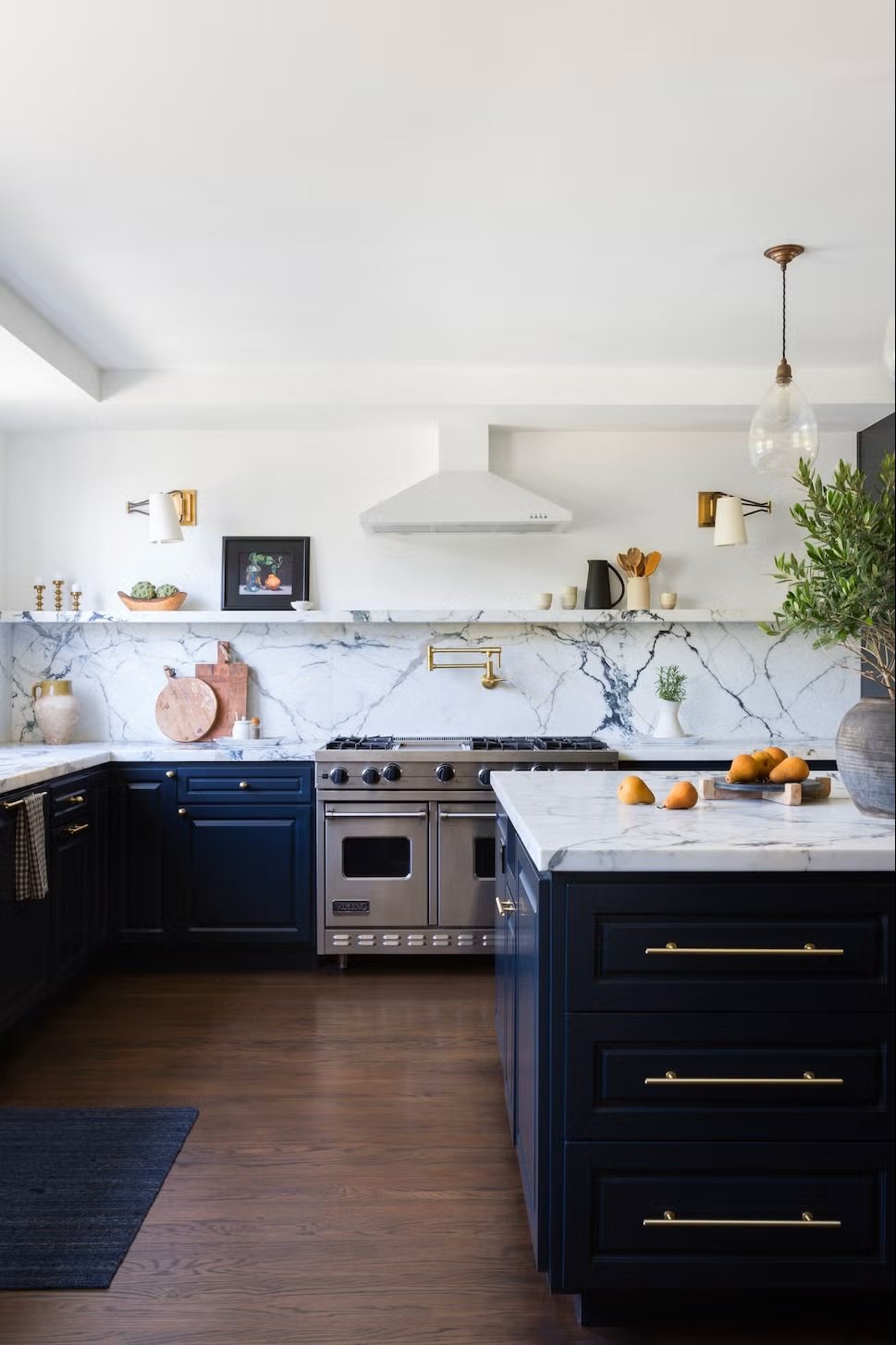
Porcelain and ceramic tiles are durable and easy to maintain, making them a popular choice for busy households. Natural stone offers unique character but may require additional care to keep it looking its best. Quartz slabs provide a sleek, low-maintenance option with minimal grout lines, while handmade tiles bring texture and individuality to a space.
Credit: Amy Bartlam Photography
The best choice depends on how you use your kitchen and the look you want to achieve.
Think About Colour and Texture
A backsplash doesn't have to be bold to make an impact.
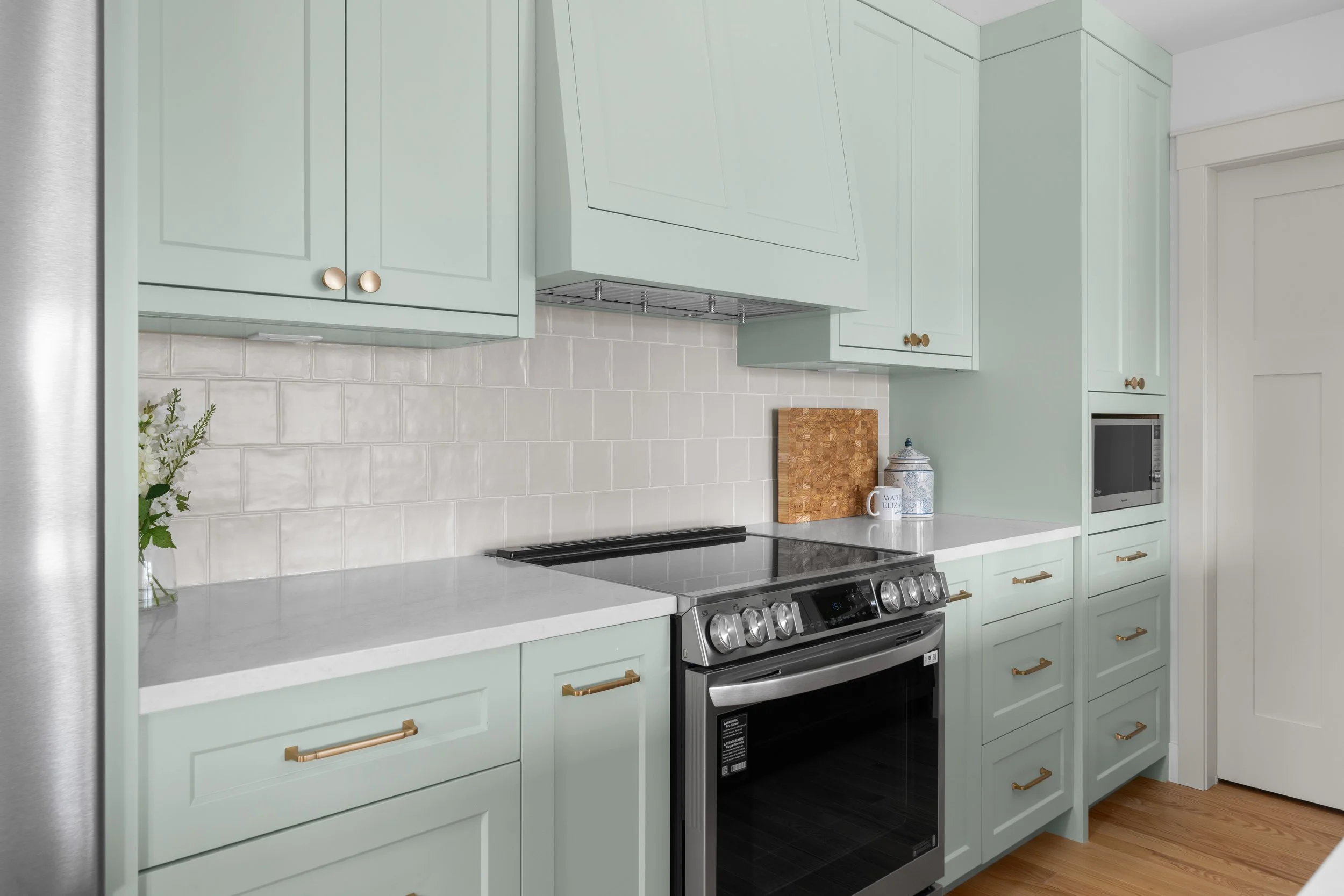
Soft neutrals can create a calm, timeless kitchen, while natural stone or textured tiles add depth without overwhelming the space. If your cabinetry and countertops already make a statement, a simpler backsplash can help maintain balance. If the rest of the kitchen is understated, a backsplash can become an opportunity to introduce subtle pattern or texture.
Credit: Marianne Elizabeth Design
Consider the Layout
The way a backsplash is installed can completely change the finished look.
Horizontal brick patterns feel familiar and classic, while stacked layouts create a more modern aesthetic. Herringbone adds movement and visual interest, and extending a backsplash all the way to the ceiling can make a kitchen feel more cohesive and elevate the overall design.
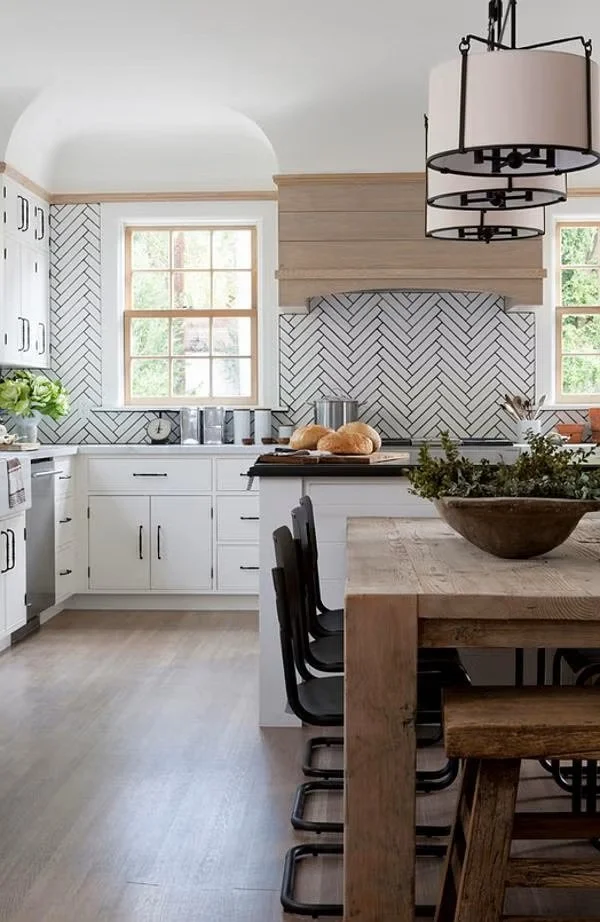
Credit: Simo Design
Think Beyond Trends
A kitchen renovation is a significant investment, and your backsplash should continue to feel right for years to come.
Rather than choosing a material simply because it's popular, consider what works best with your home, your lifestyle, and the overall vision for your space. Materials, colours, and layouts that complement the architecture of your home are more likely to stand the test of time than choices driven by short-term trends.
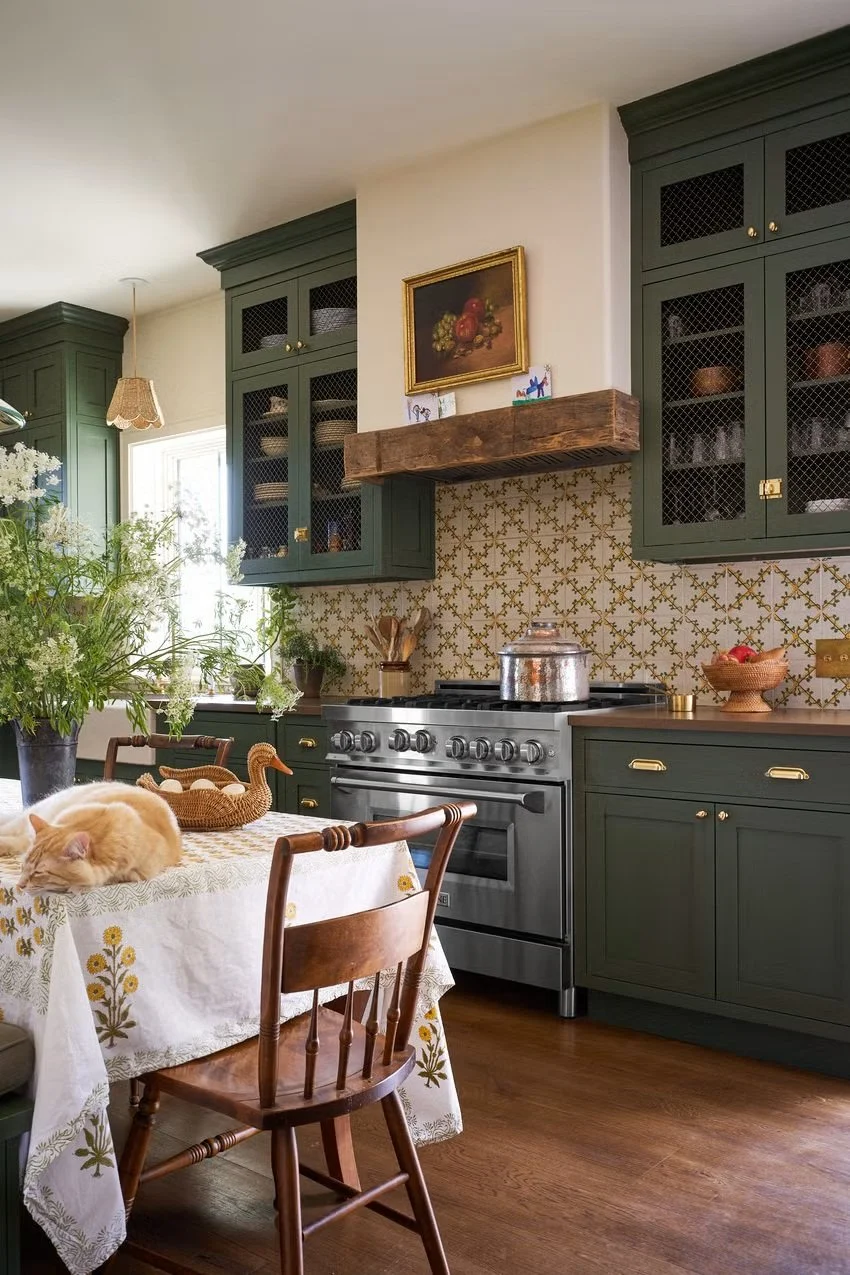
Credit: Björn Wallander
Bringing It All Together
The right backsplash does more than protect your walls. It contributes to the overall look and feel of your kitchen while adding durability and personality.
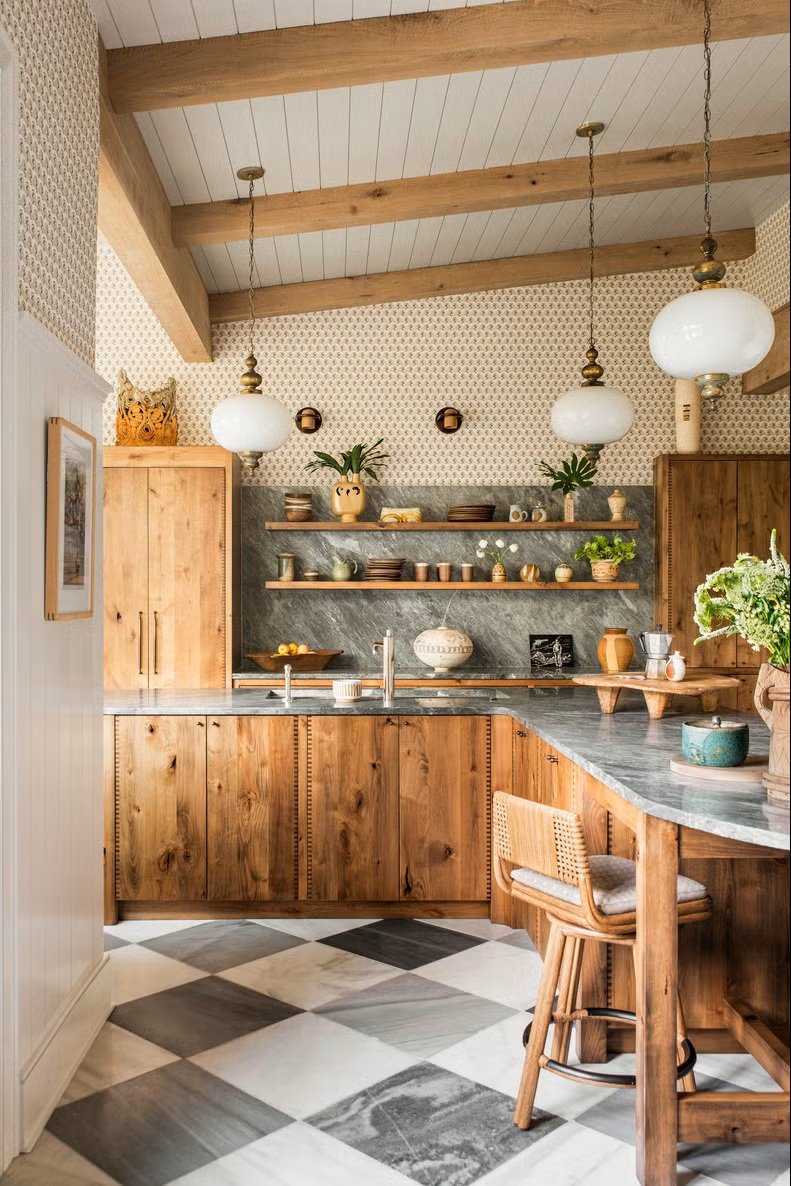
Credit: Katie Charlotte
Whether you're drawn to natural stone, classic tile, or a seamless slab, choosing a backsplash that complements your home and suits the way you live will help create a kitchen you'll enjoy for years to come.