
Design Mistakes I'll Never Let You Make
After years of working on renovations, furnishing projects, and custom homes, I've noticed something interesting.
The design mistakes that cause the most frustration usually aren't the big decisions. They're the smaller ones that happen early in the process, often before people have all the information they need.
These aren't mistakes I see because people have bad taste. They're usually the result of making decisions before all the information is available. Many can be avoided with a little planning and the right guidance early in the process.
The good news? They're all completely avoidable.
Here are six design mistakes I consistently help clients avoid.
Buying a Sofa Before You Have a Floor Plan
I understand the temptation. You find a sofa you love, it's on sale, or you've been searching for months and you're finally ready to commit. The problem is that a sofa doesn't exist in isolation. It needs to work with the layout of the room, the traffic flow, the scale of the surrounding furniture, and how you actually plan to use the space.
I've seen beautiful sofas become expensive compromises because they were purchased before the room was properly planned.
A floor plan should always come first. Once you understand how the room needs to function, choosing furniture becomes much easier and usually leads to a better result.
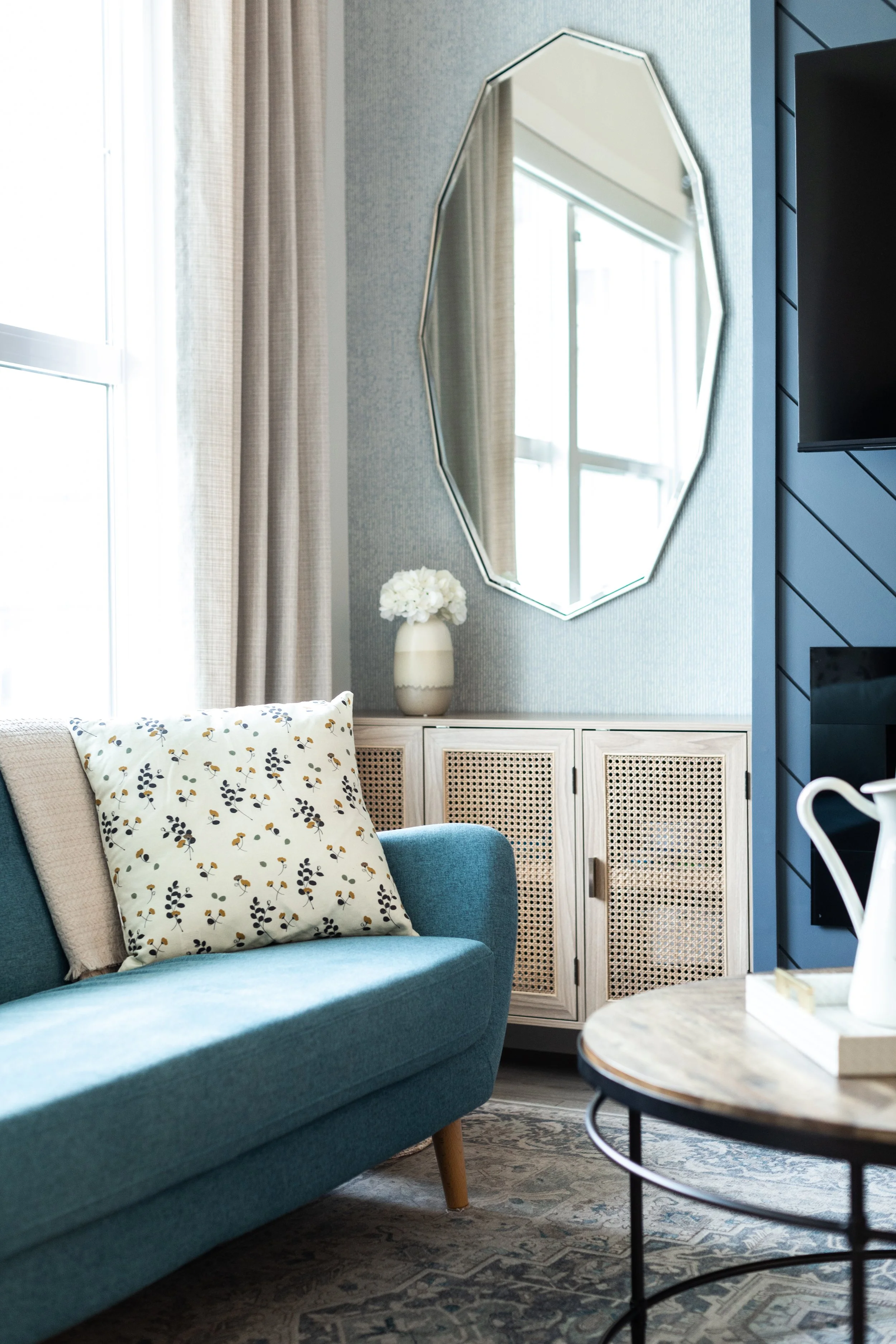
Underestimating the Power of Lighting
Lighting has an enormous impact on how a home feels.
It influences mood, comfort, functionality, and even how colours and finishes appear throughout the day. Yet it's often one of the most overlooked decisions in a project.
Many people focus heavily on cabinetry, flooring, tile, and countertops, only to leave lighting until the very end.
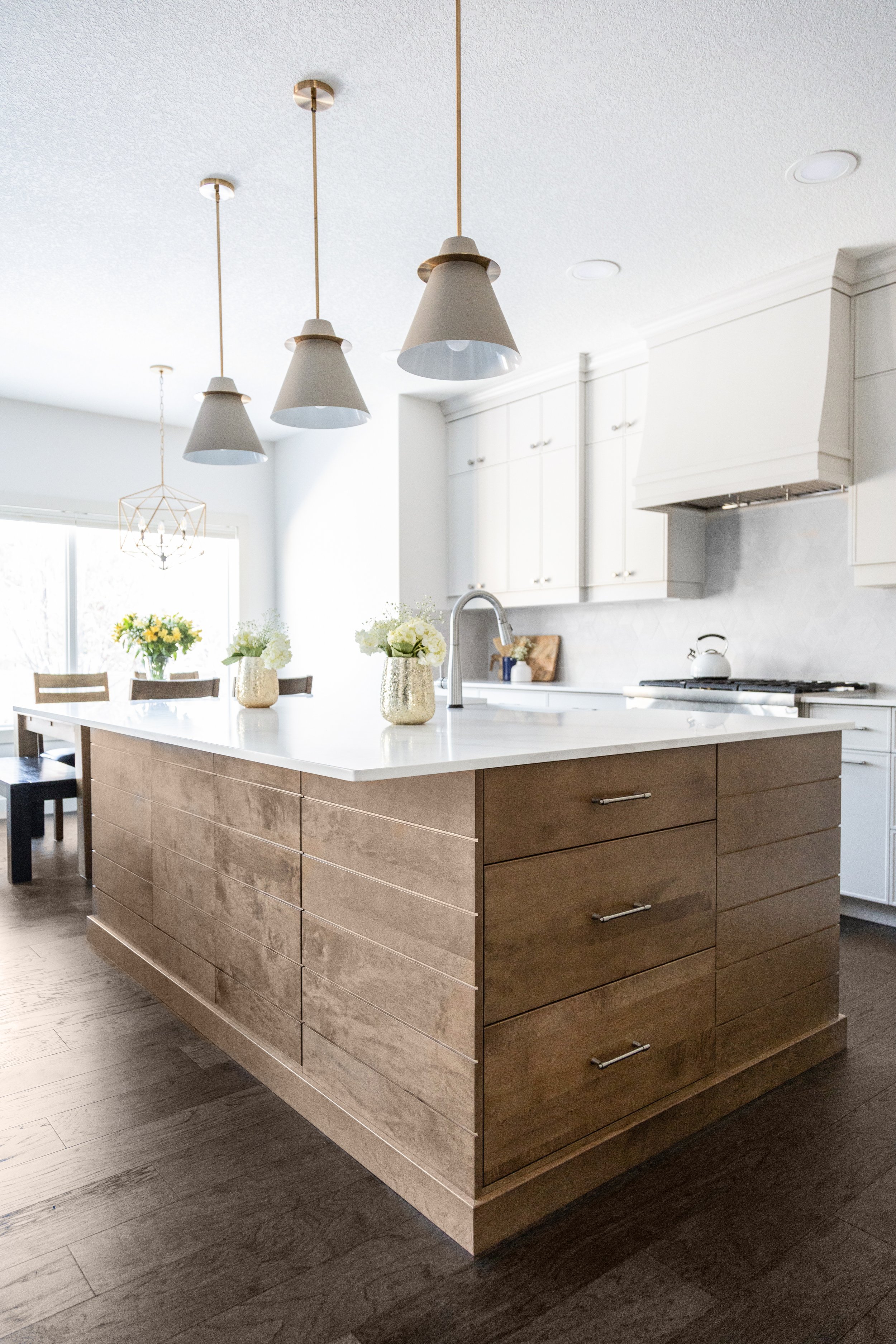
The most successful spaces combine different layers of lighting. General lighting helps illuminate the room, task lighting supports everyday activities, and accent lighting adds depth and atmosphere.
When those layers work together, the entire space feels better.
Choosing Paint Colour First
This is one of the most common mistakes I see.
It seems logical to start with paint because it feels like such a major decision. In reality, paint is one of the most flexible elements in a room.
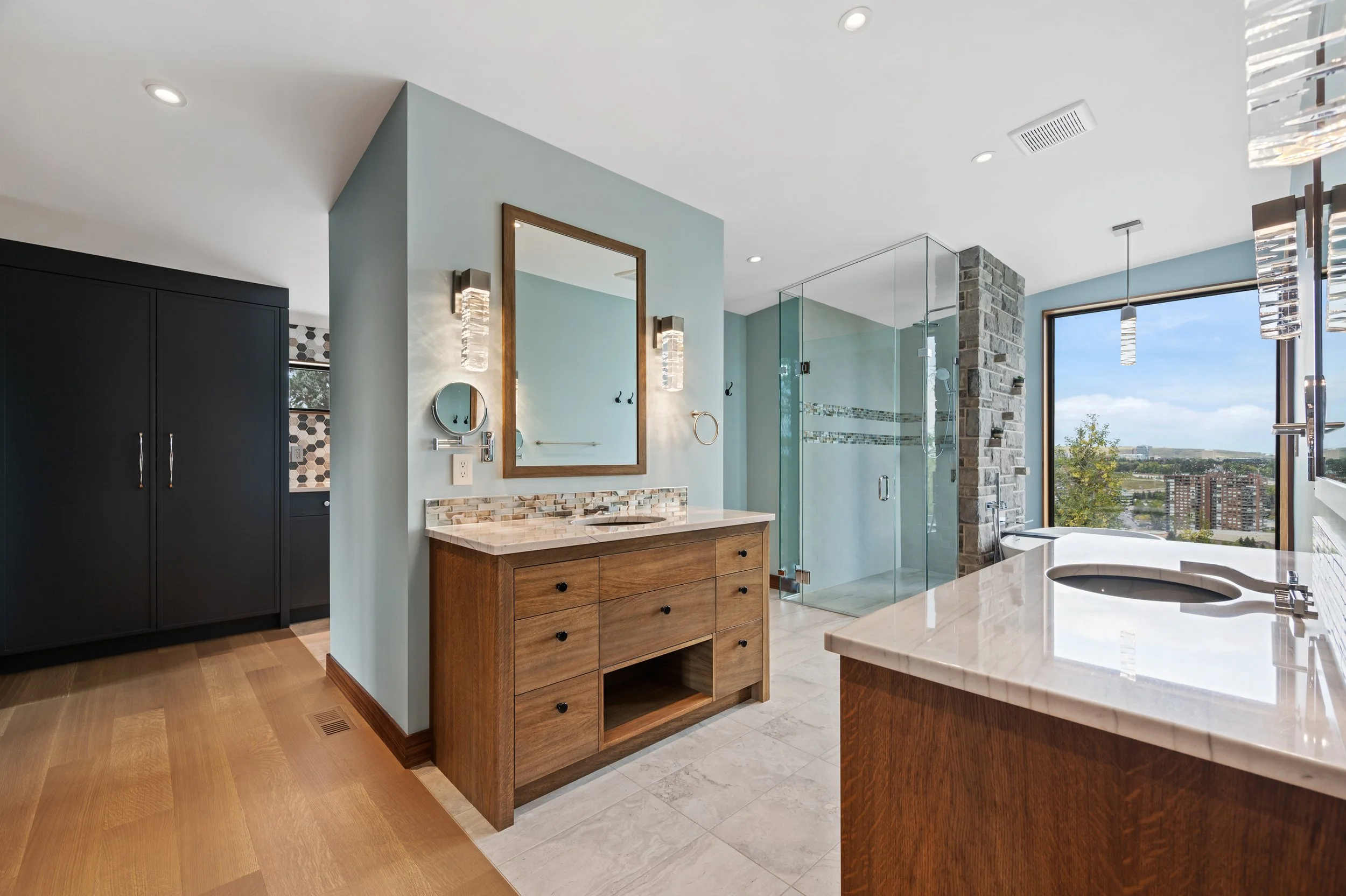
Furniture, rugs, fabrics, finishes, and natural light all influence how a paint colour will look once it's on the wall.
Choosing paint too early can leave you trying to force every other decision to work around it. I almost always recommend selecting the larger, less flexible pieces first. Once those decisions are made, narrowing down the right paint colour becomes much easier.
Going Too Small on Rugs
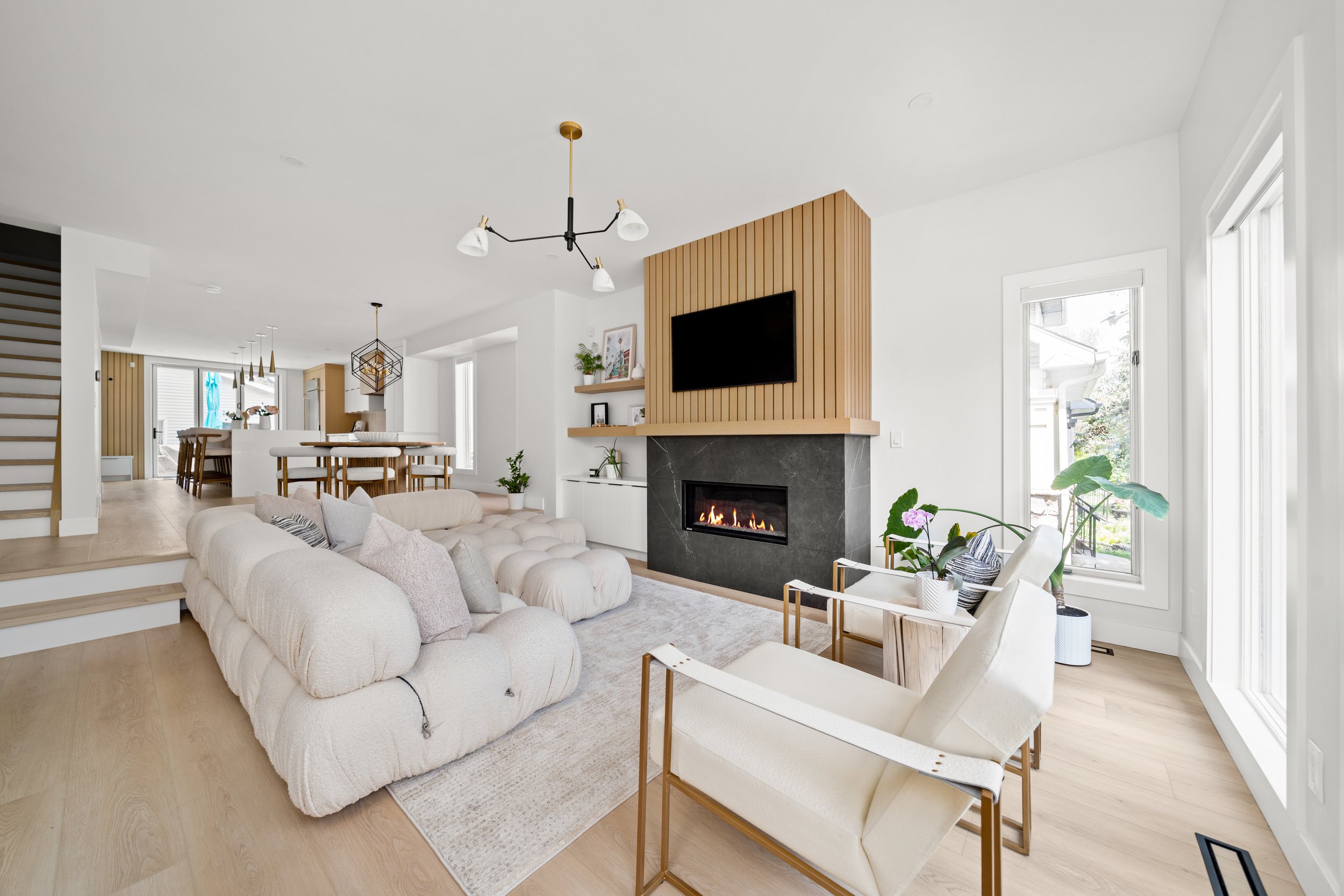
Rugs do far more than add softness underfoot. They help define spaces, anchor furniture, and create a sense of connection throughout a room.
When a rug is too small, everything can feel slightly disconnected, even if you can't immediately identify why. In most cases, the right rug should extend beyond the coffee table and connect with the surrounding furniture.
If you're deciding between two sizes, the larger option is often the better choice.
Ignoring Scale and Proportion
A beautiful piece isn't always the right piece. One of the most important aspects of good design is understanding how furniture, lighting, and accessories relate to the size of the room and to one another.
A dining table can be too small for a large space. A light fixture can disappear in a room with tall ceilings. A sectional can overwhelm an otherwise well-designed living room.
The individual pieces may be beautiful, but if the proportions aren't working, the room never feels quite right. Getting scale right is one of the things that makes a space feel balanced and comfortable.
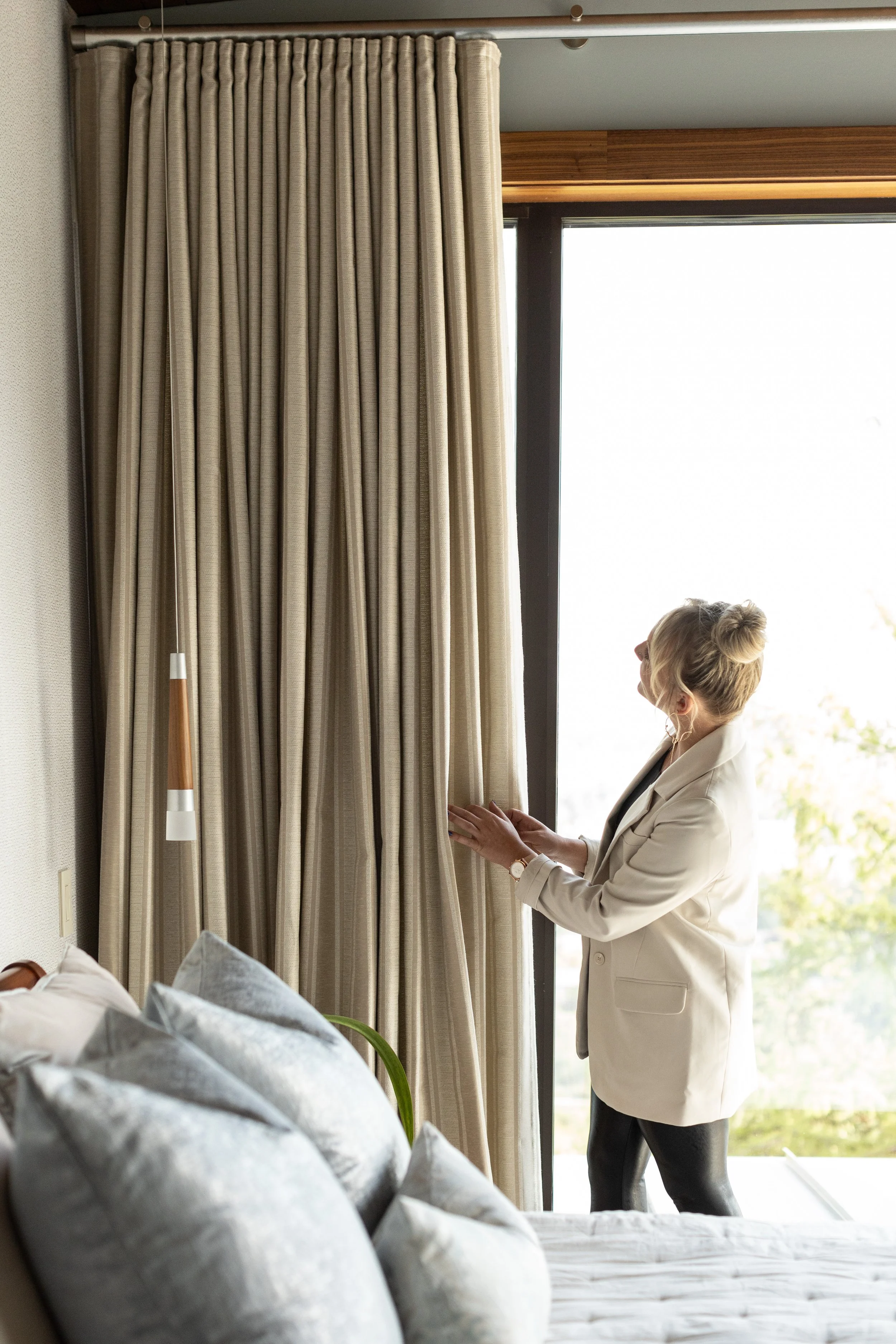
Leaving Window Treatments Until the End
Window treatments are often one of the last items people think about. By the time they're considered, budgets are tighter, timelines are shorter, and many of the decisions that could have improved the final result have already been made.
The reality is that window coverings do far more than provide privacy. They help control natural light, improve comfort, soften a space, and contribute significantly to the overall look of a room.
Planning for them early opens up more options and leads to a more cohesive result.
Most design mistakes are completely preventable when you have the right information at the right time.
If you're planning a renovation, furnishing a new home, or building from the ground up, working with a designer early can help you avoid costly missteps and create a home you'll enjoy for years to come.