
There's something about natural light that can completely change the way a room feels. It brings warmth, highlights beautiful materials and makes even the simplest spaces feel more inviting. While windows are usually the first thing we think about when bringing daylight into our homes, sometimes the most interesting possibilities are right above us.
Skylights are a wonderful way to introduce natural light while adding architectural interest to a space. Whether you're planning a renovation, building a new home or exploring ways to brighten an existing room, they can offer possibilities that traditional windows simply can't.
A Different Way to Bring in Natural Light
One of the biggest advantages of skylights is their ability to bring daylight into areas that might otherwise feel dark or enclosed. Hallways, staircases, bathrooms and kitchens can all benefit, particularly when the layout of a home limits opportunities for additional windows.
Unlike wall-mounted windows, skylights introduce light from above, allowing it to reach areas that might not receive much direct daylight. Depending on their placement, they can also create beautiful patterns of light and shadow as the sun moves throughout the day. And it's not just about brightness. Natural light can highlight architectural details, bring out the textures of different materials and change how we experience a room.
Where Skylights Make the Biggest Impact
In the kitchen
Kitchens are often the heart of the home, but they're not always blessed with an abundance of natural light. In open-concept layouts, particularly those with kitchens positioned away from exterior walls, skylights can make a noticeable difference. A skylight above an island can bring daylight into a busy preparation area, while several positioned along the ceiling can help illuminate a larger space. They also offer an interesting solution when wall space is needed for cabinetry rather than windows.
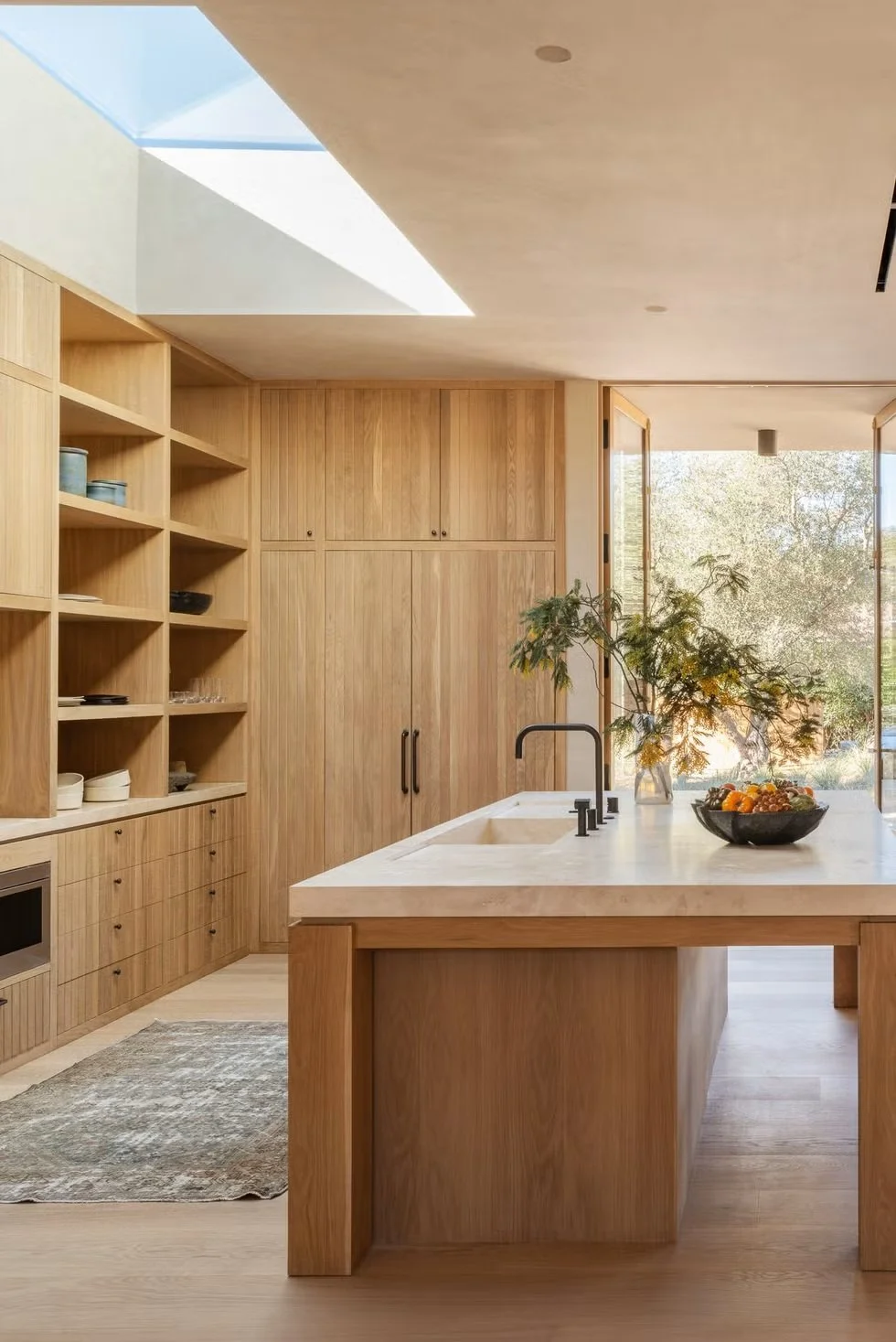
Credit: Corinne Mathern
Photography: Mike Kelley
Natural light can be especially beautiful in kitchens with wood finishes, stone countertops and textured materials, revealing subtle details that aren't always as noticeable under artificial lighting.
In the bathroom
Bathrooms are another space where skylights can be particularly appealing. They allow natural light to enter without the same privacy concerns that can come with conventional windows. A skylight above a freestanding bathtub can create a beautiful focal point, while even a smaller opening can make a compact bathroom feel brighter and more open.
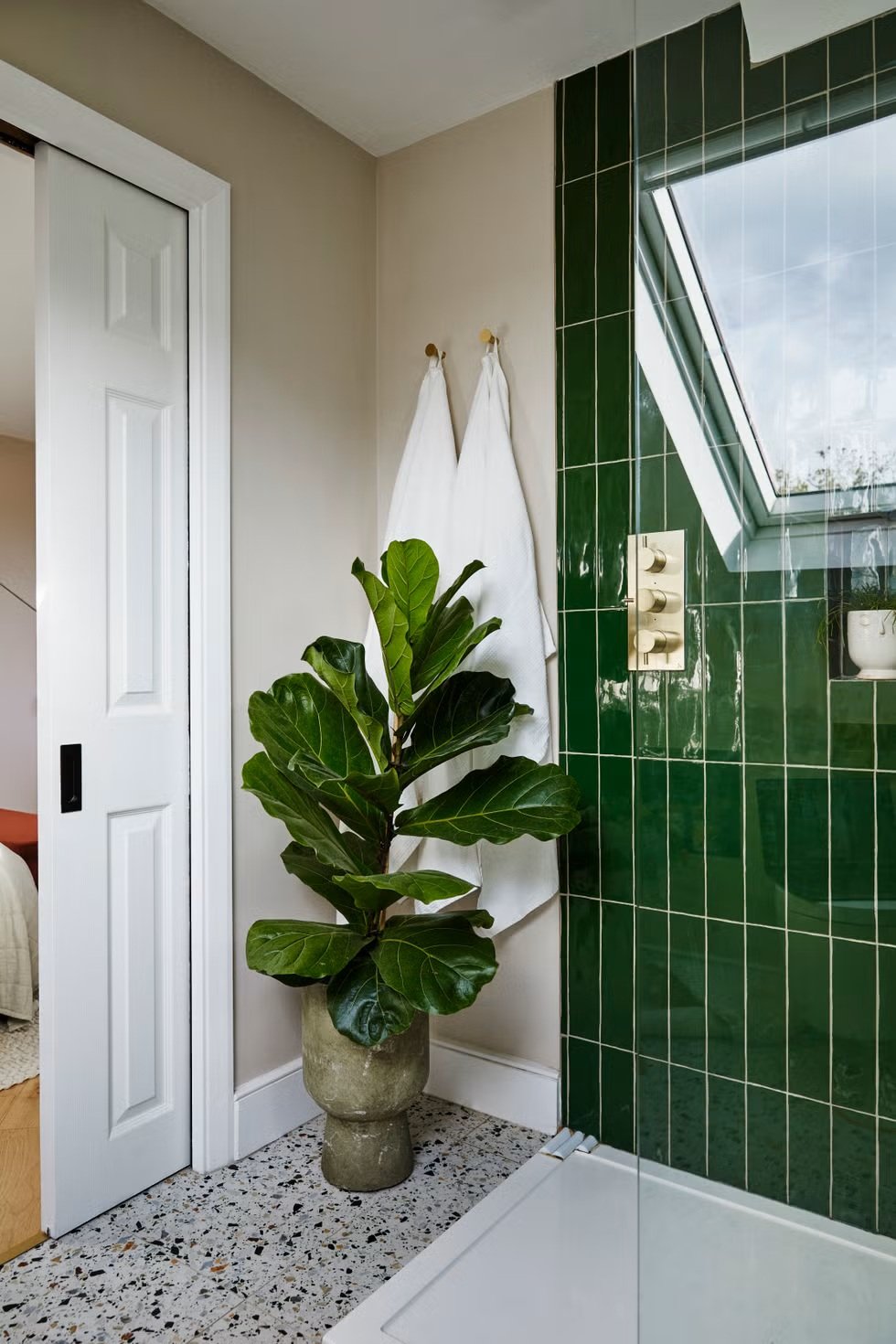
For bathrooms with limited natural light, it's a way to introduce daylight without compromising valuable wall space.
In cozy nooks
Smaller, tucked-away spaces don't always receive the same design attention as kitchens and living rooms, but they can offer some of the most interesting opportunities for skylights.
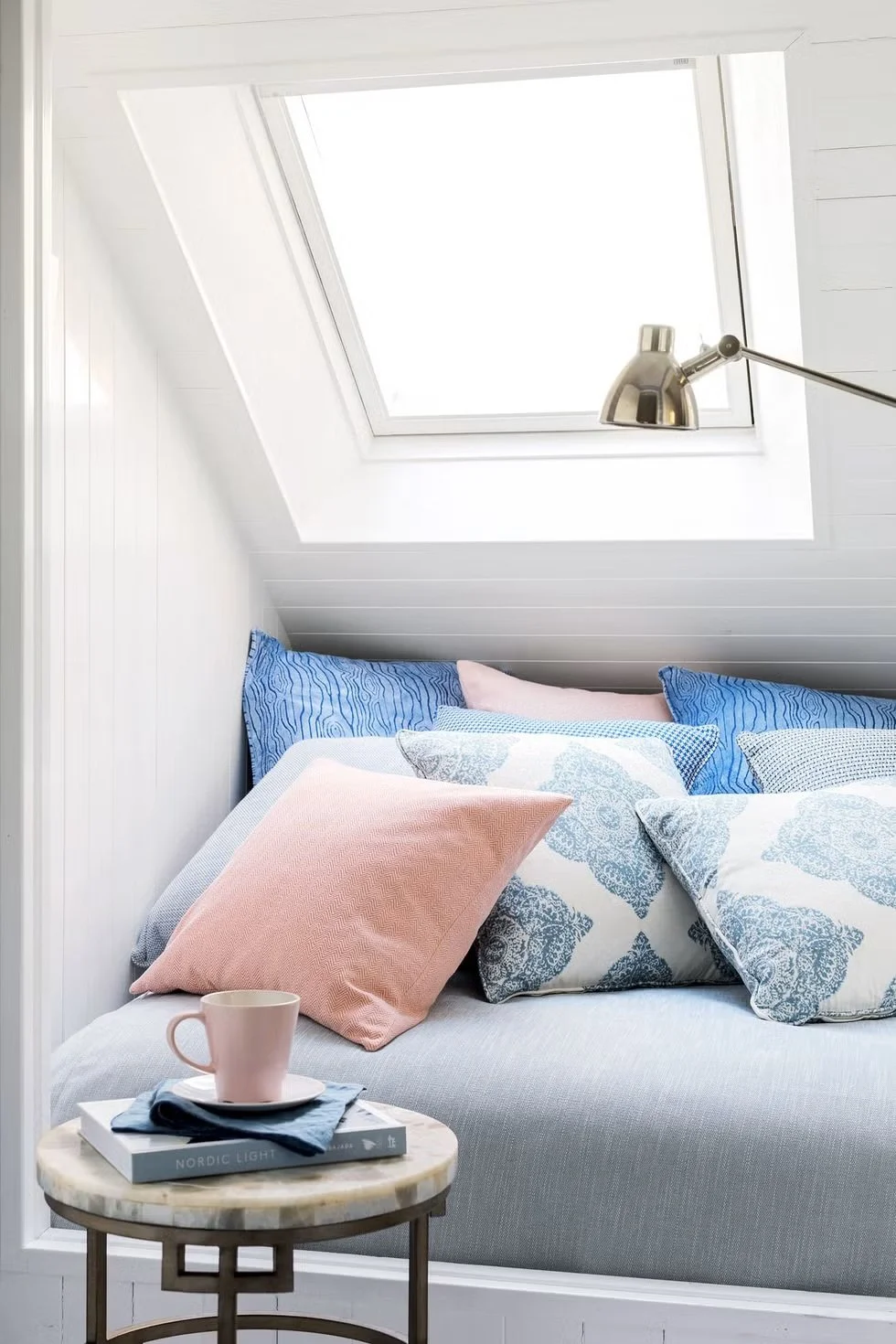
Credit: Brian Patrick Flynn
Photography: Robert Peterson
A skylight above a reading nook or quiet corner can introduce natural light, highlight architectural details and make an otherwise overlooked space feel more inviting. It's an effective way to add visual interest without changing the layout or taking up valuable wall space.
Finding the Right Skylight for Your Space
Not all skylights are designed for the same purpose, and choosing the right one depends on the room, the roof structure and what you're hoping to achieve. Fixed skylights are designed to provide natural light without opening. They're a popular option for spaces where additional daylight is the main priority.
Ventilating skylights can be opened to allow fresh air to circulate, making them worth exploring in rooms where additional ventilation would be beneficial.
For smaller or more enclosed spaces, tubular skylights, sometimes called sun tunnels, offer another possibility. These use a reflective tube to channel daylight from the roof into rooms where installing a traditional skylight may be difficult.
Each option has its advantages, but the best choice isn't necessarily the largest or most elaborate. It's the one that works with the architecture and the needs of the space.
It's All About Placement
As beautiful as skylights can be, their success depends heavily on where they're positioned. The direction of the sunlight, the size of the opening and the way light enters the room all influence the finished result. A skylight that brings lovely morning light into a kitchen may behave quite differently from one exposed to strong afternoon sun.
It's also worth thinking about how the light will interact with furniture, finishes and the overall layout. Direct sunlight can create glare or unwanted heat, so glazing options and integrated blinds may be useful depending on the location.
And while skylights can look wonderfully simple once installed, incorporating one into an existing home requires proper assessment of the roof structure, insulation and waterproofing. These practical considerations are best explored with qualified professionals early in the planning process.
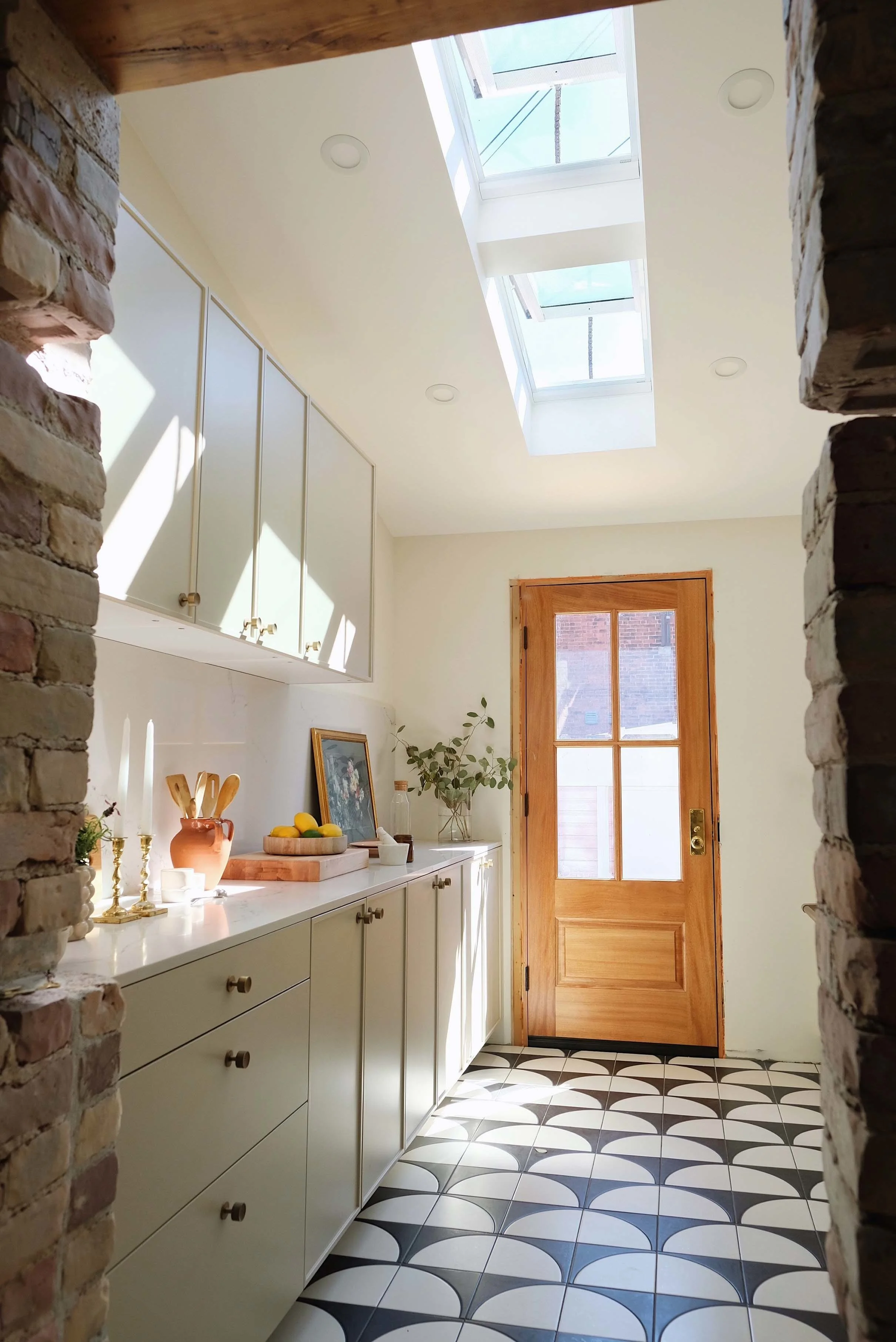
Credit: Velux
Looking at Your Home in a New Light
The beauty of skylights is that they can change how a room feels without necessarily changing its size or layout. They can bring daylight into overlooked corners, emphasize architectural features and create a greater sense of openness. They also introduce a connection to the outdoors, whether that's watching clouds pass overhead or enjoying a glimpse of the evening sky.
When incorporated thoughtfully, skylights become more than a source of natural light. They become part of the character of a home, bringing something special to spaces we use every day.