
The Art of Hygge: Creating a Home You Love to Live In
There’s something wonderful about coming home on a cold evening, turning on a favourite lamp, settling into a comfortable chair and feeling that there's nowhere else you'd rather be.
The Danish have a word for this feeling: hygge (pronounced “hoo-gah”). It's a concept rooted in comfort, contentment and the enjoyment of life's simple pleasures. And while it has become closely associated with Scandinavian interior design, hygge is less about how a home looks and more about how it makes us feel.
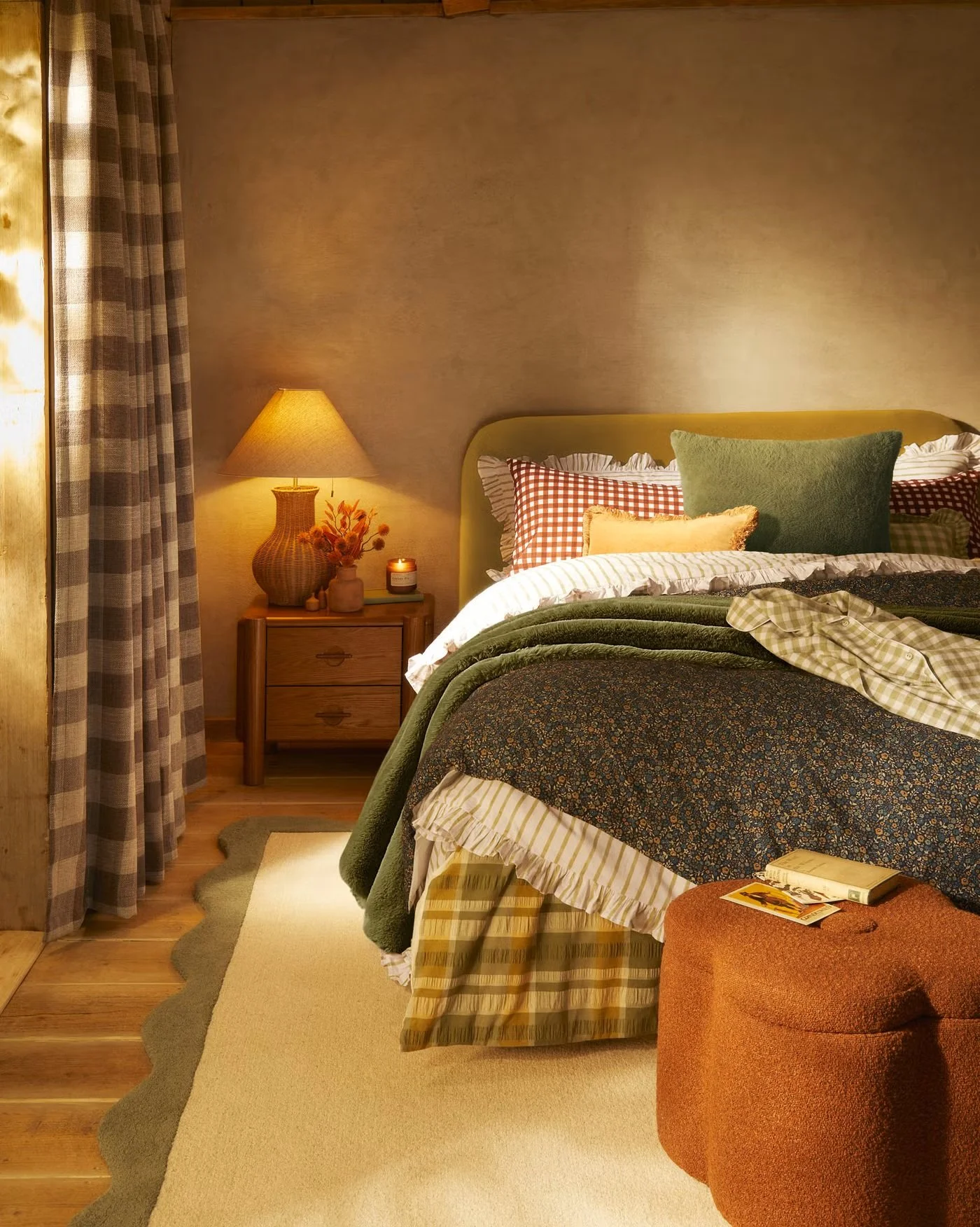
Credit: Dunelm
Think candlelit dinners with friends, a quiet Sunday morning with coffee and a book, or an evening spent curled up beside the fire. Hygge celebrates these ordinary moments and the spaces that make them special.
So, what does hygge look like in interior design? It begins with warmth, and not simply the temperature of a room. Lighting plays an enormous role in creating atmosphere. Rather than relying on bright overhead fixtures, table lamps, wall sconces and candles introduce softer pools of light that make a room feel intimate and welcoming. As our Canadian evenings grow darker, it's a particularly lovely way to transform the atmosphere at home.
Texture is equally important. Think natural linen, soft wool, beautifully grained timber, inviting upholstery and rugs that feel wonderful underfoot. Combining these materials brings richness and depth to a room without making it feel cluttered or overly decorated.
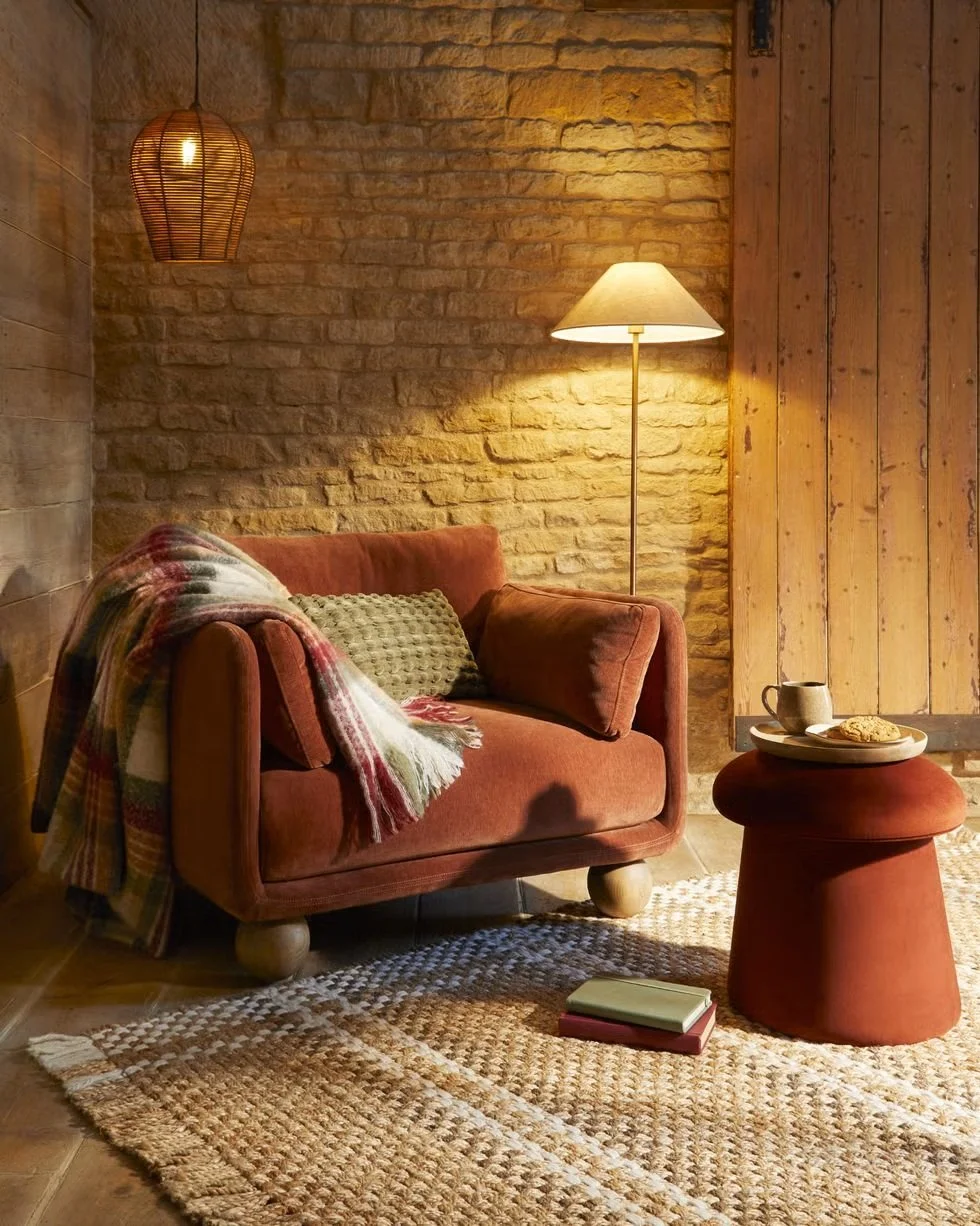
Credit: Dunelm
And while the familiar Scandinavian palette of creams, warm whites and soft greys lends itself beautifully to hygge, there's no reason to shy away from colour. Deep greens, earthy terracottas, warm browns and rich burgundies can create equally inviting interiors. The aim isn't to achieve a particular aesthetic, but to create a space that feels comfortable and personal.
Perhaps the most appealing aspect of hygge is that it encourages us to think about how we actually use our homes. A beautiful dining table is one thing, but comfortable chairs that encourage guests to linger over dinner are quite another. A perfectly styled living room may photograph beautifully, but is there somewhere you genuinely want to spend an entire afternoon?
It's these everyday details that make a difference. A reading chair positioned beside a window, a favourite collection of books within reach, or a generous sofa where everyone can gather. Even the objects we accumulate over time, from inherited furniture to treasured artwork, contribute to that unmistakable feeling of being at home.
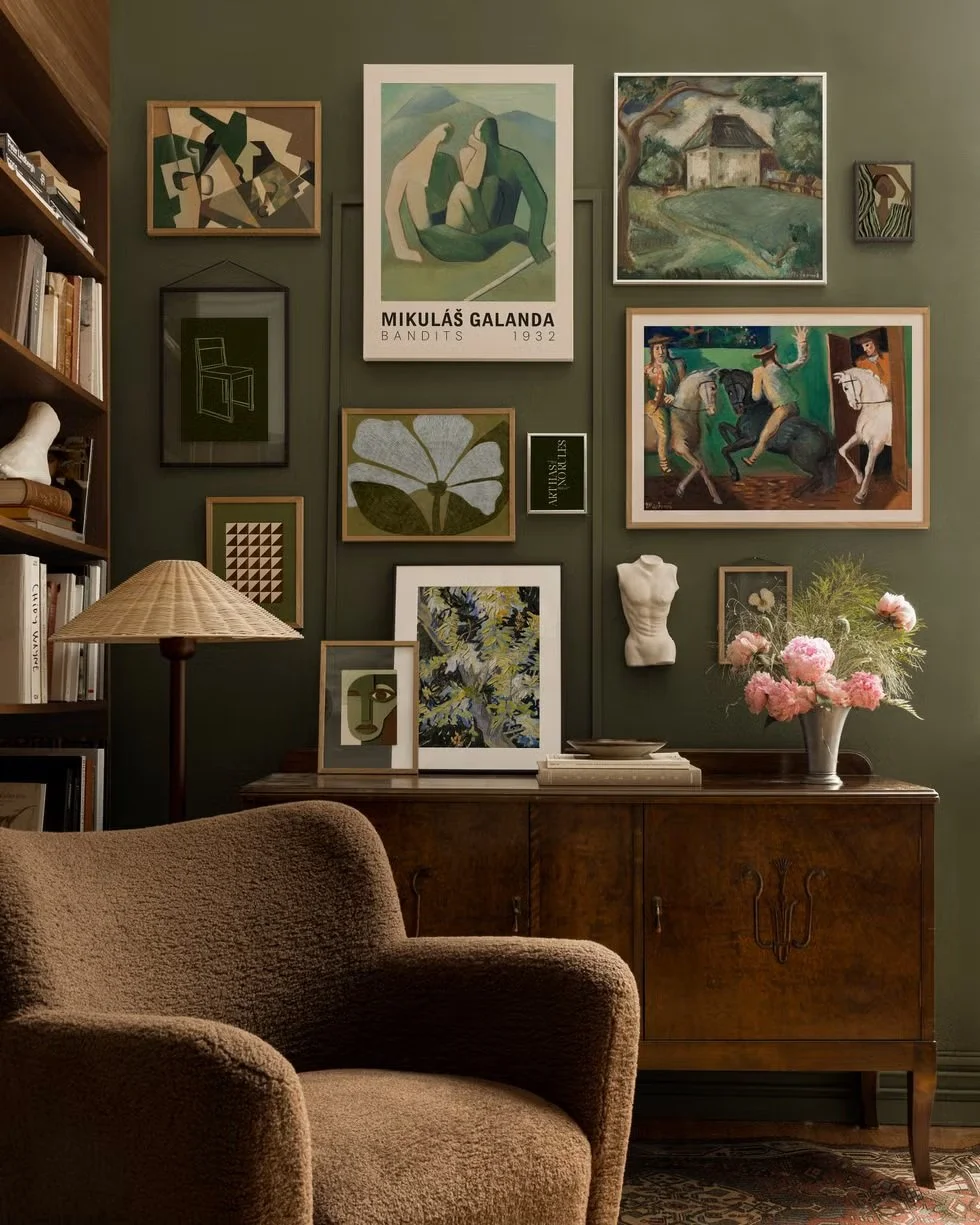
Credit: Desenio
And that's why hygge has remained relevant long after its initial popularity as an interior design trend. It doesn't require a house full of Scandinavian furniture, endless neutral tones or a shopping list of cosy accessories. Its principles work just as beautifully in traditional, contemporary and eclectic interiors.
Ultimately, hygge offers a reminder that good interior design is about more than creating beautiful rooms. It's about making everyday life within them more enjoyable. Because the most beautiful home isn't necessarily the one that looks perfect. It's the one you can't wait to come home to.