
Why Fall Is When Your Home Starts Working Harder
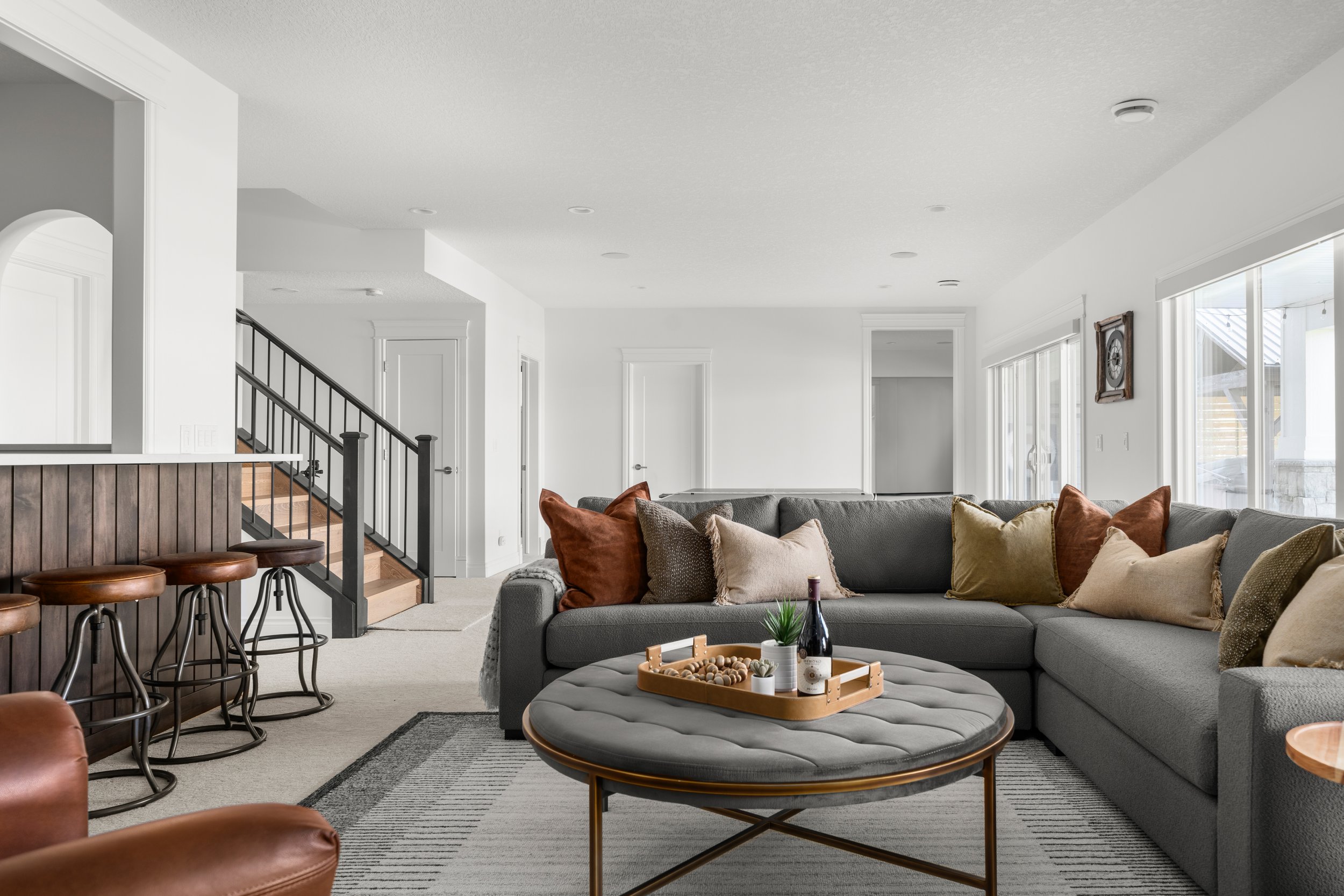
Fall changes the demands we place on our homes. School and work routines settle back in, outdoor living becomes less central, and more of the day starts happening under one roof.
That does not mean every home suddenly needs a seasonal makeover. But it can make certain design decisions much more noticeable. Storage has to accommodate more. Shared spaces have to support several activities at once. Entrances have to deal with weather as well as everyday comings and goings. And rooms that may have had a quieter role through summer are back in regular use.
Marianne Elizabeth Design
In many ways, fall is a good test of how well a home functions when life is at its fullest.
The entry has more to deal with
An entryway can be relatively easy to manage when shoes are light and nobody is carrying much more than a bag through the door. Fall changes that quickly.
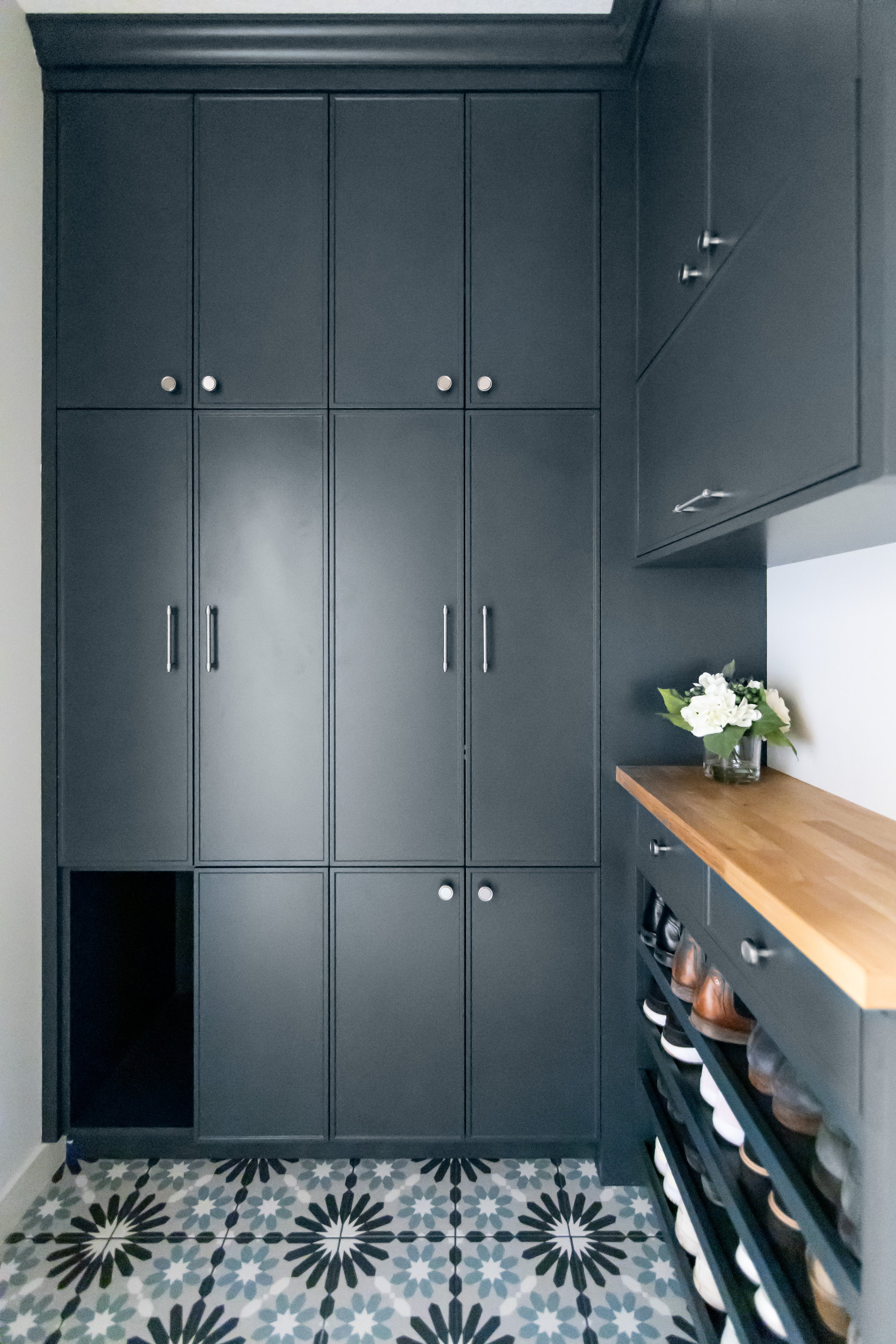
Backpacks return. Jackets get bulkier. Wet shoes, umbrellas and sports gear need somewhere to go. As the weather gets colder, boots and heavier outerwear add another layer. This is where the difference between simply having storage and having storage in the right place becomes clear.
A coat closet can technically provide plenty of space, but it is not particularly useful if the things used every day are difficult to access. Likewise, an entry can have beautiful cabinetry and still become cluttered if there is nowhere convenient to put wet footwear, hang a frequently worn jacket or set down a school bag.
Marianne Elizabeth Design
Good entryway design starts with what actually comes through the door. Closed storage can contain less attractive necessities. Open hooks or cubbies can make everyday items easier to put away. A durable floor finish matters when mud and moisture become part of daily life. And where space allows, somewhere to sit while removing shoes can make a surprisingly practical difference.
The goal is not an entrance that always looks untouched. It is one that can handle being used.
Everyday routines start competing for space
Fall can also expose another issue: several things often need to happen in the same part of the house at the same time.
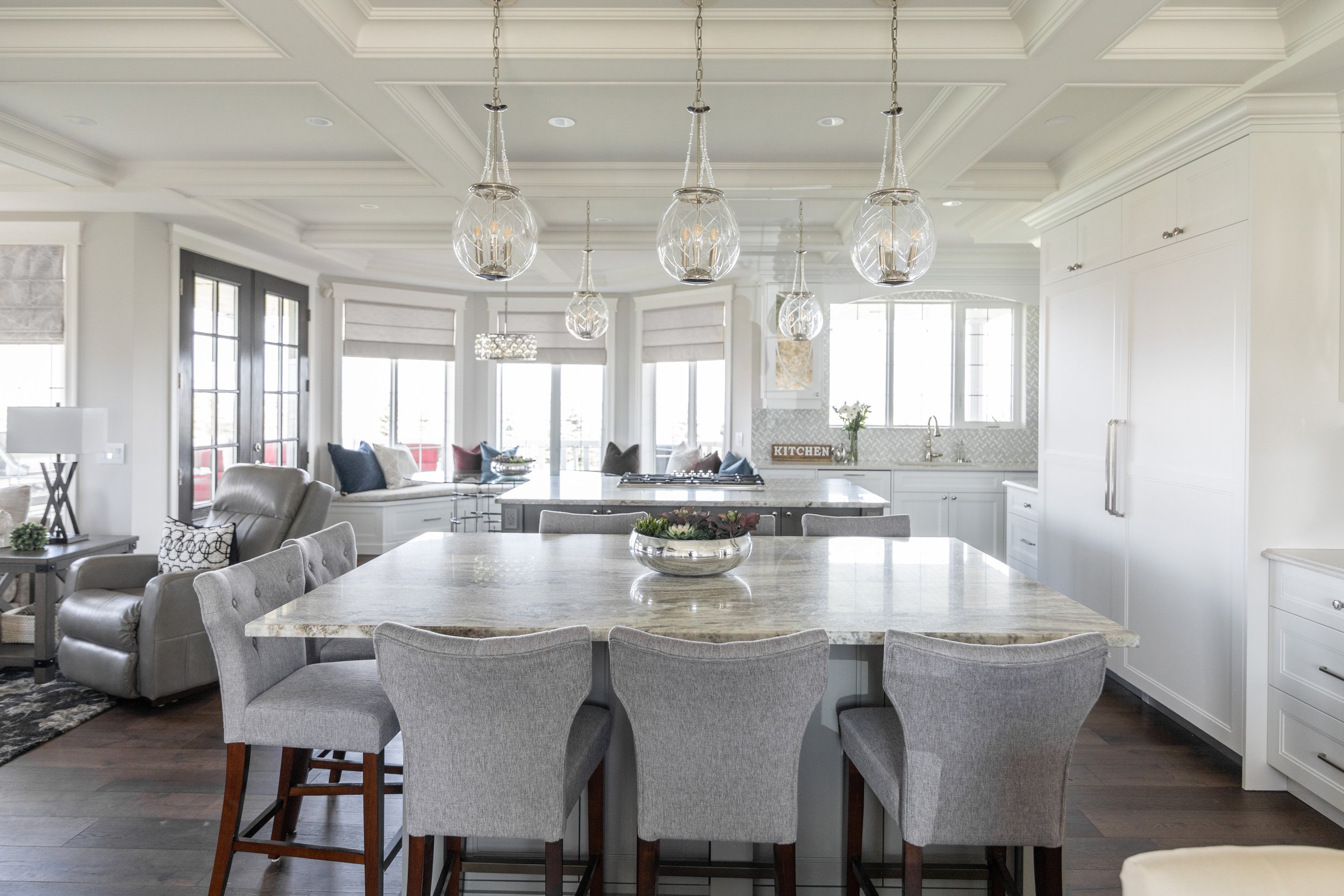
A kitchen island, for example, might be used for food preparation while someone else is doing homework or sorting through school paperwork. A dining table may serve as a place to eat, work, study and spread out a project. A hallway can become the hand-off point for bags, permission slips, keys and whatever needs to leave the house the following morning.
None of those uses is inherently a problem. The problem comes when one surface is expected to perform every function without any support around it. This is why good design looks beyond the name of a room. A kitchen is not used only for cooking. A dining room is not necessarily reserved for dinner. The way a household really uses a space should influence where storage sits, how much clear surface is available and which functions need to coexist.
Sometimes the most useful design decision is very specific: a drawer near the kitchen for school papers rather than another decorative cabinet; charging built into the place devices naturally collect; a shallow cupboard near the dining area for things that would otherwise live permanently on the table.
It is less about creating a separate room for every activity and more about giving the activities that already happen a proper place within the home.
Storage has to work at full capacity
One of the reasons a house can feel more difficult to keep organised in fall is simply that there is more in circulation.
Summer wardrobes are joined by coats and heavier footwear. School supplies return. Sports and activity equipment comes and goes. Entertaining pieces may be used more frequently as gatherings move indoors. Items that were barely touched for several months suddenly need to be accessible again.
A useful question when planning storage is not only, “Does everything fit?” but, “Does everything fit when this household is at its busiest?” That distinction matters.
Storage designed around a perfectly edited version of a home can fail as soon as everyday life fills it back up. Successful storage needs a little breathing room, but it also needs some hierarchy. Things used every day should not be buried behind things used twice a year. Awkward items need realistic homes. And frequently used storage should be easy enough to access that putting something away is almost as convenient as leaving it out.
More storage is not always the answer. Better use of the storage available often matters more.
Gathering spaces come back into focus
Fall is also the beginning of a busier season for many homes socially. Casual dinners move back indoors and the stretch towards Thanksgiving and the holidays brings more opportunities to gather.
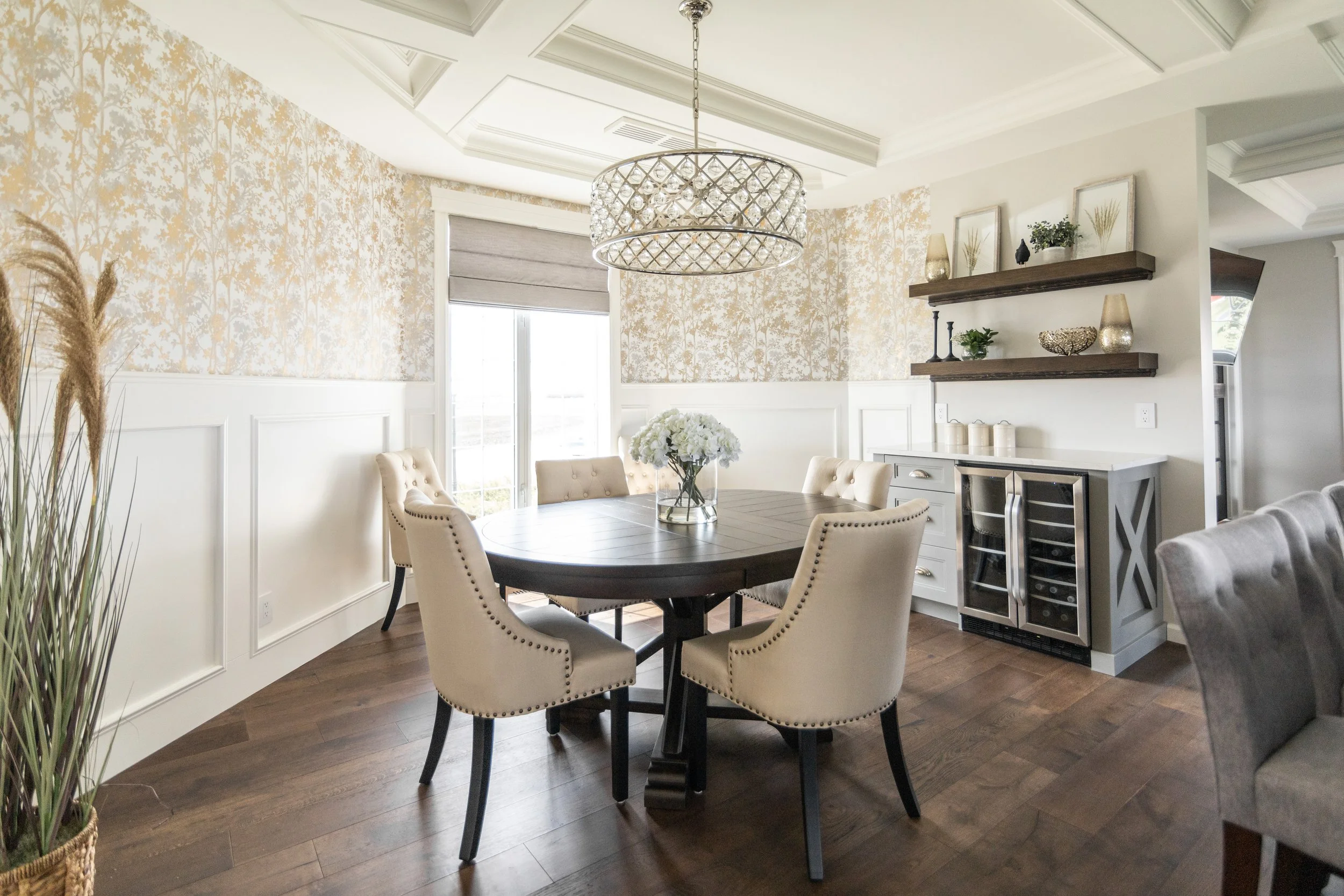
That can make dining and living spaces worth looking at from a practical perspective. Can people move around the dining table comfortably once the chairs are occupied? Is the table proportionate to the room, or does entertaining make circulation difficult? In the living room, does the furniture allow several people to sit and talk comfortably, or does every seat face the television?
Marianne Elizabeth Design
These are not questions about making a room more formal for guests. In fact, the spaces that work best for entertaining are often the same ones that work well every day.
A dining room that is comfortable enough for Tuesday night dinner will usually serve a larger gathering well. A living room arranged so that people can naturally talk to one another does not need to be completely reorganised when friends arrive.
Designing for company should not mean designing a different version of the house.
Marianne Elizabeth Design
A hardworking home should make life easier
Fall does not require a house to look different simply because the calendar has changed.
What the season can reveal is where everyday life is creating unnecessary friction: the pile that forms because something has no convenient home, the entrance that cannot quite absorb everything coming through it, or the shared surface that is trying to support too many activities at once.
Those small pressure points are useful information. A well-designed home does not eliminate the messiness of daily life. It gives that life somewhere to happen. And when a home is doing its job well, the busiest seasons should feel easier to live through, not harder.