
You’ve cleared the kitchen counters, put everything away and straightened the living room, but the house still somehow feels busy. It’s easy to assume that means you have too much stuff, but clutter isn’t always about quantity.
Sometimes it’s visual. Too many things are competing for attention, everyday items don’t have a natural place to go, or a room has gradually accumulated furniture and décor without anything ever being taken away. A home can be perfectly tidy and still feel crowded. The answer isn’t necessarily to get rid of everything. Often, it’s about looking at what you have differently.
Marianne Elizabeth Design
Give Your Eye Somewhere to Rest
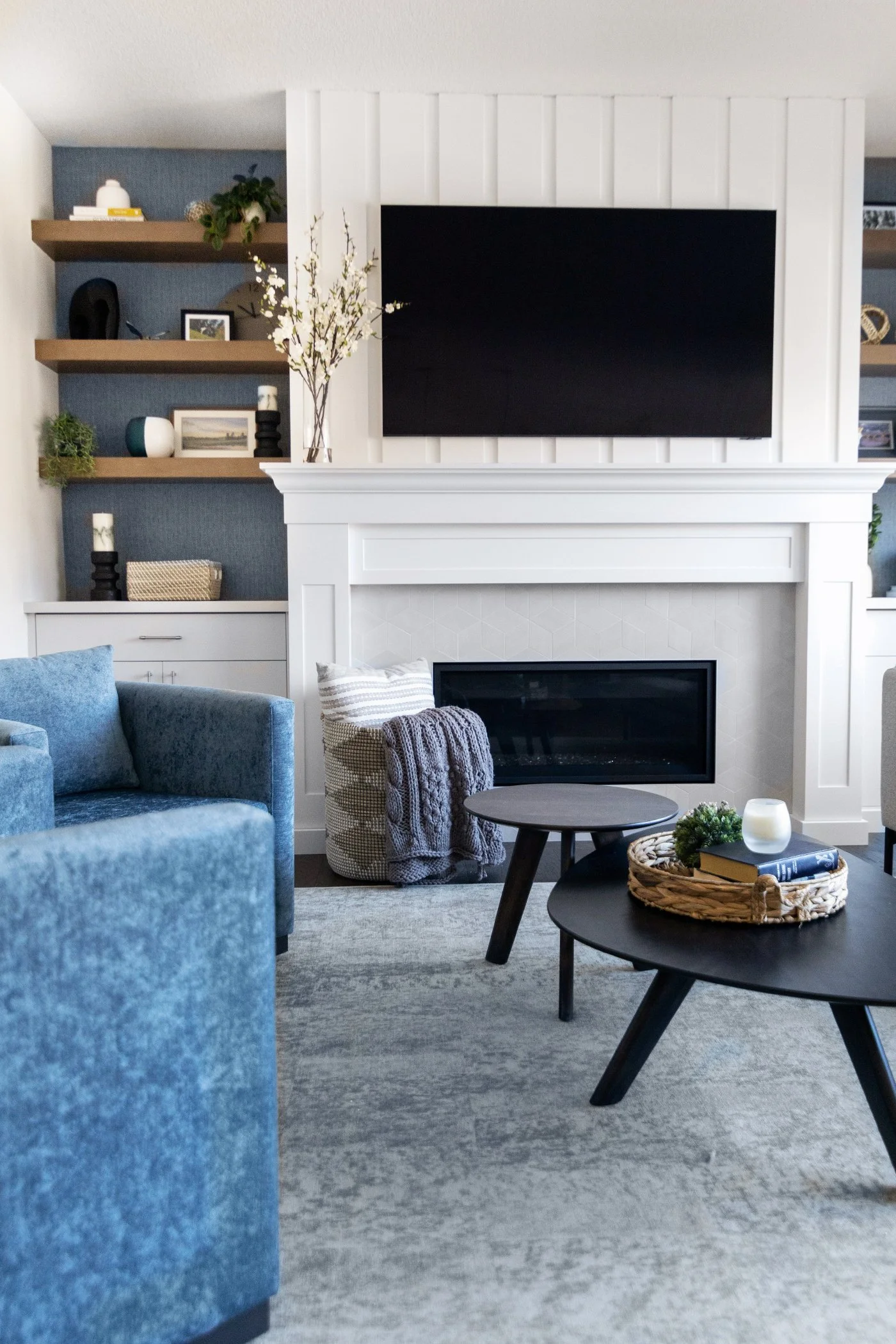
A room doesn’t need to be minimalist to feel calm. Pattern, colour, artwork, books and collected pieces are what give a home personality. But when every wall, surface and corner has something happening, it becomes difficult for any one element to stand out.
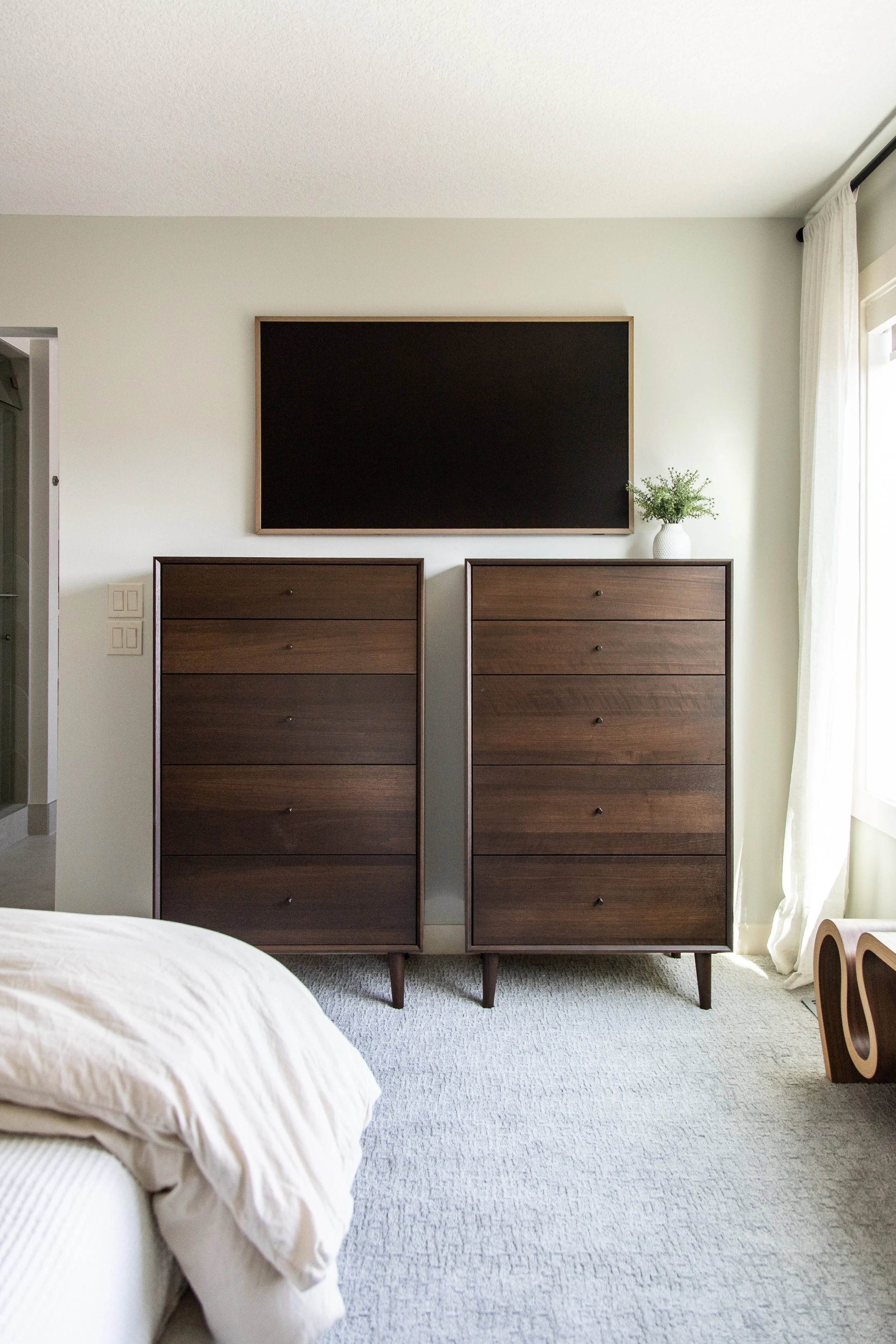
Leaving some breathing room creates contrast. A beautiful piece of art has more presence when it isn’t competing with several others. Objects on a shelf are easier to appreciate when every inch isn’t filled. Even removing one piece of furniture can completely change how spacious a room feels. The goal isn’t an empty room, it’s creating a little space between the things you want to notice.
Marianne Elizabeth Design
Be Selective About What Stays on Display
Open shelving, glass-front cabinetry and display storage can all be beautiful, but they also put more of your belongings in view.
Not everything we own needs to become part of the room visually. The pieces you enjoy seeing can be displayed, while the everyday necessities that aren’t particularly attractive can live behind a cabinet door or inside a drawer.
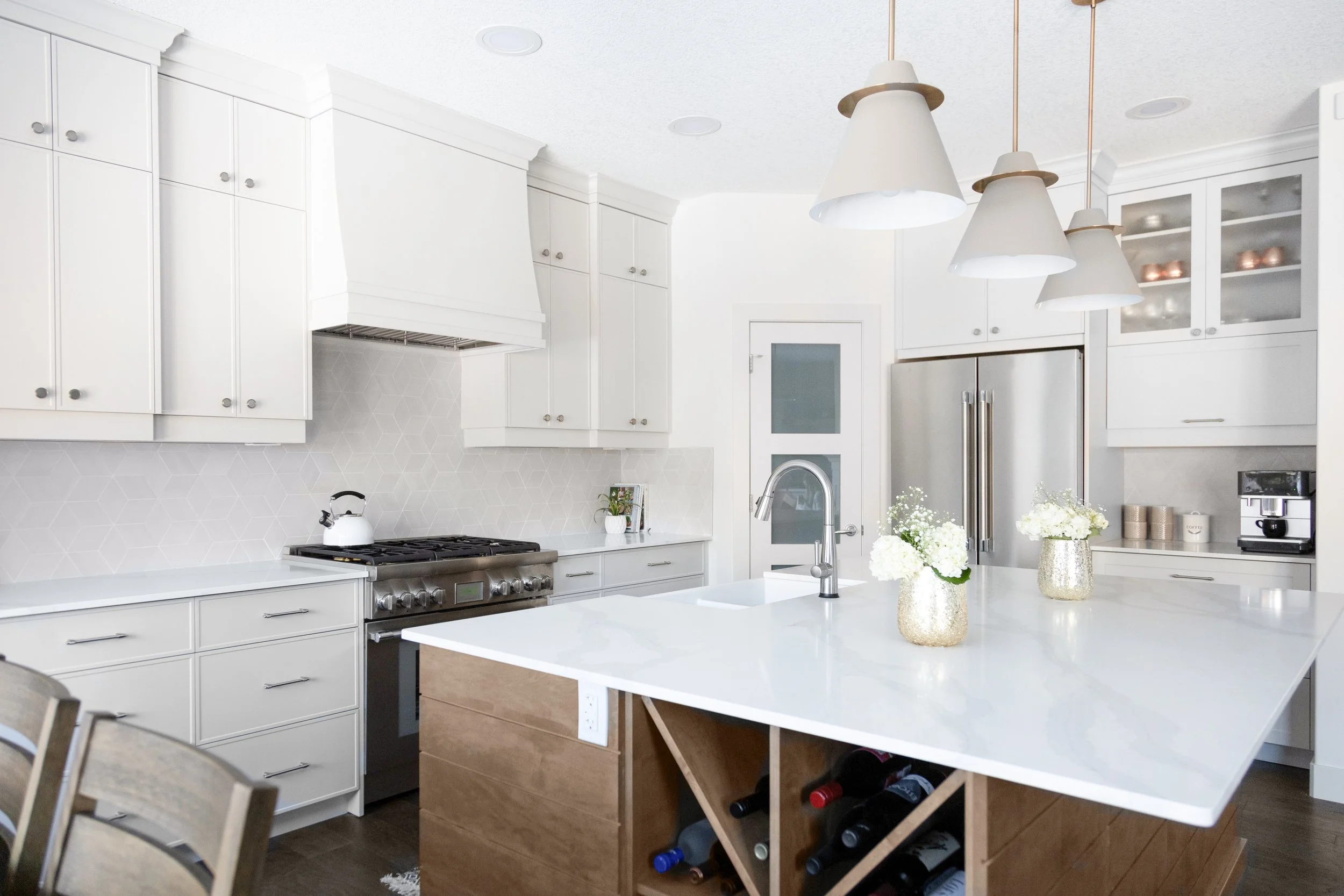
This is particularly noticeable in kitchens. Small appliances, utensils, oils, paperwork and charging cables can quickly turn a large countertop into a busy one. Keeping some of those things concealed allows the materials and features of the kitchen itself to stand out.
Marianne Elizabeth Design
Notice Where Things Naturally Collect
If you’re constantly clearing the same pile from the same spot, the problem may not be that everyone needs to become more organized.
Keys get dropped by the door. Mail ends up on the kitchen island. Shoes gather in the entryway. Chargers migrate to whichever outlet is most convenient. Those patterns tell you something about how your home is actually being used.
Good storage works with those habits rather than against them. An entry needs somewhere practical for the things that arrive through the door. Frequently used kitchen appliances need to be accessible. A family with children needs storage that works when everyone comes home at the same time carrying coats, shoes, backpacks and everything else that comes with them.
When there’s an obvious place for the things you use every day, keeping a room tidy requires much less effort.
Marianne Elizabeth Design
Make Room for the Things That Mean Something
Not everything we keep earns its place because it’s useful. Homes are full of things we’ve inherited, collected, been given or simply can’t imagine parting with. Those pieces are part of what makes a home personal, but keeping something doesn’t necessarily mean it needs to be displayed all the time.
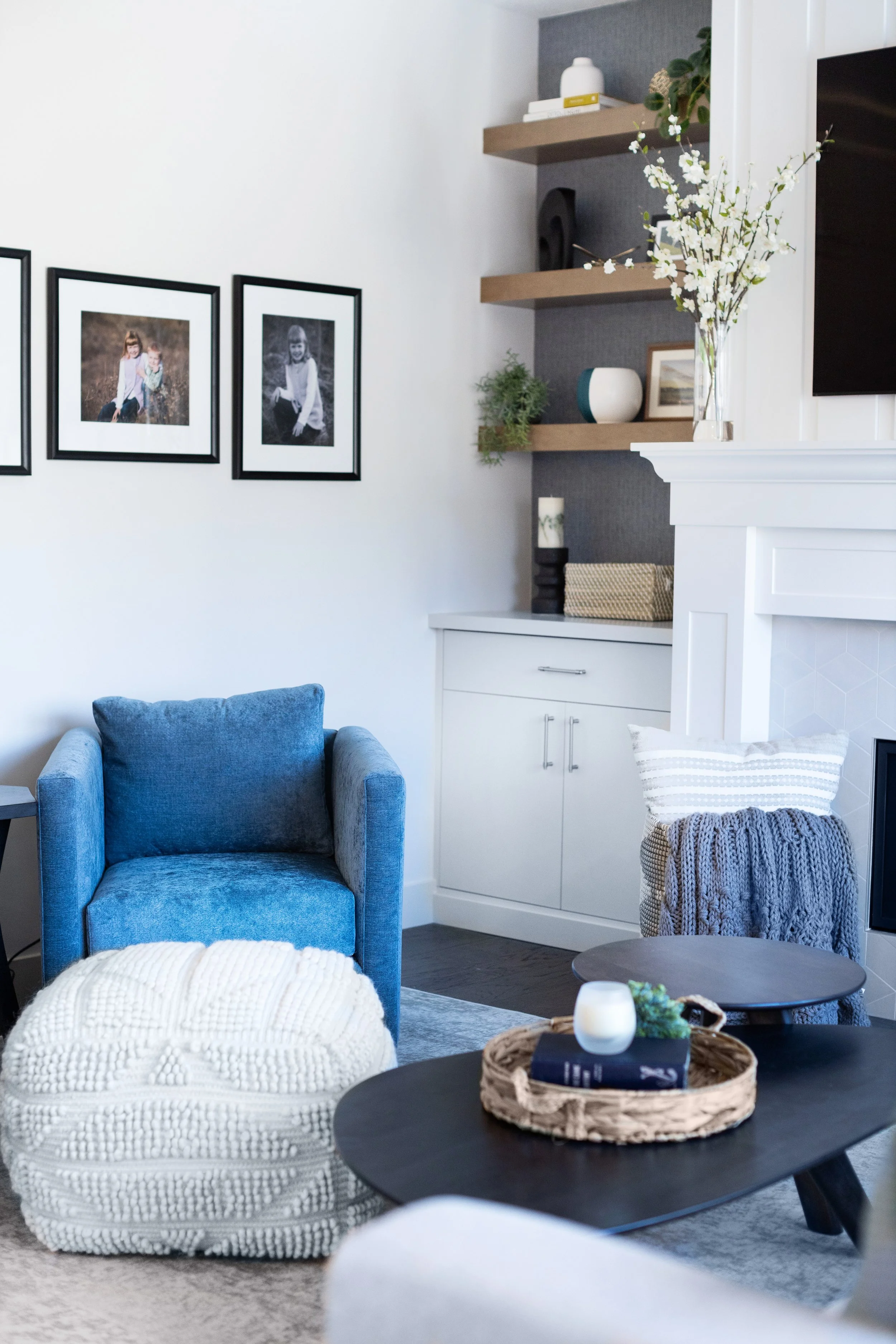
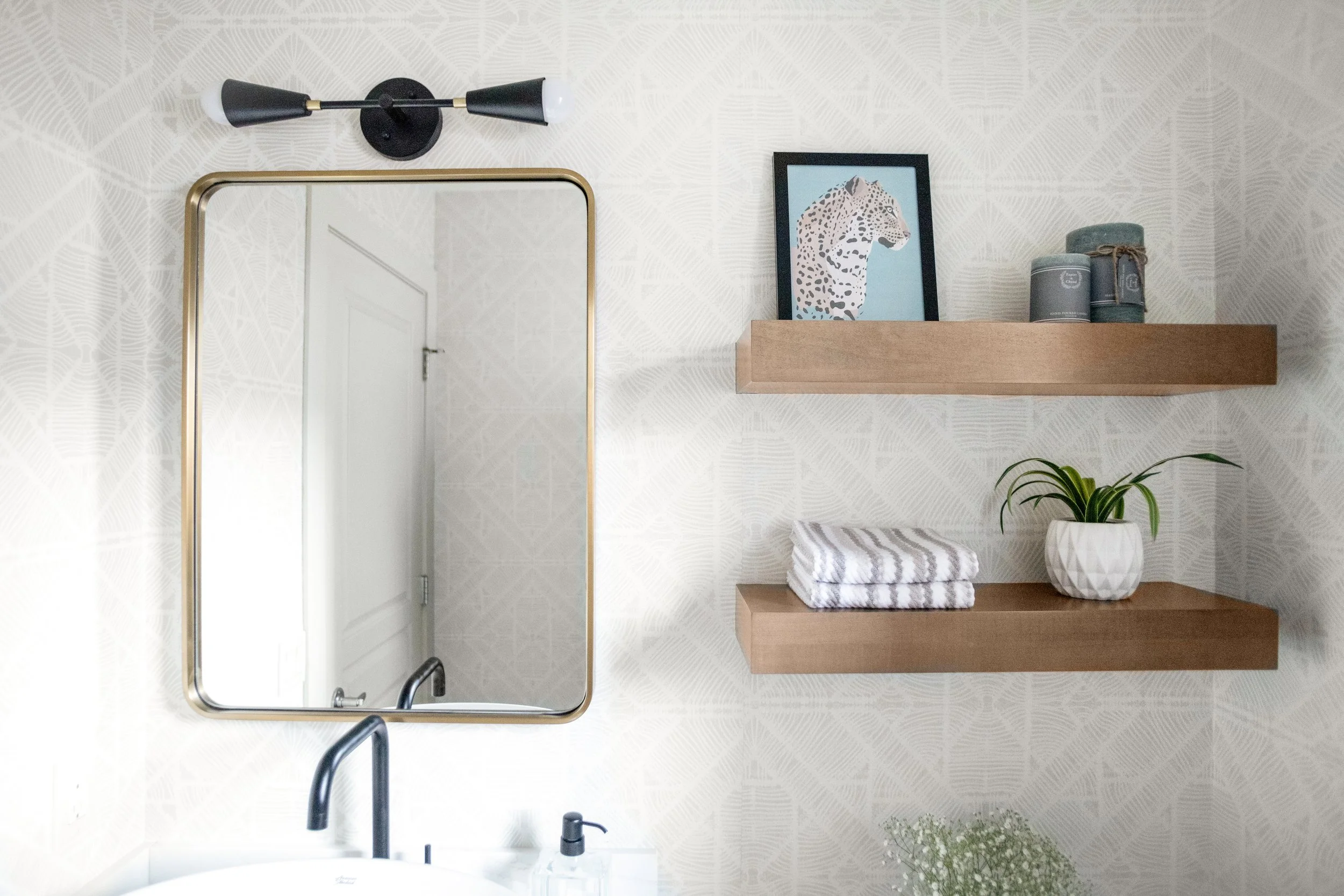
Instead of spreading sentimental pieces throughout a room, choose the ones you genuinely enjoy seeing and give them space. A collection can look more considered when it’s grouped together. A family photograph can have more impact when it isn’t surrounded by a dozen other frames. An inherited piece can become a focal point rather than another object squeezed into an already full room.
There’s a difference between keeping something because it matters to you and feeling obligated to find a visible place for everything you’ve ever loved.
Marianne Elizabeth Design
Take Another Look at Your Surfaces
Countertops, coffee tables, consoles and nightstands tend to collect things slowly. One object becomes three, then five, and eventually the surface feels crowded even though everything on it was deliberately placed there.
Editing doesn’t mean clearing every surface completely. A lamp, flowers, books or a favourite object can make a room feel lived in. The question is whether each piece is contributing something or whether the surface has simply accumulated more over time.
Sometimes removing a few things is enough to change the whole room.
More Storage Isn’t Always Better Storage
When a home feels cluttered, buying another basket, cabinet or storage unit can seem like the obvious solution. But adding more places to put things doesn’t necessarily solve the problem.
The better question is what actually needs to be stored. During a renovation or new build, this is especially important. Planning cabinetry around the things a household genuinely owns can make an enormous difference. Where will the vacuum go? What about small appliances, paperwork, electronics, coats, sports equipment or the collection of shoes that inevitably ends up beside the door?
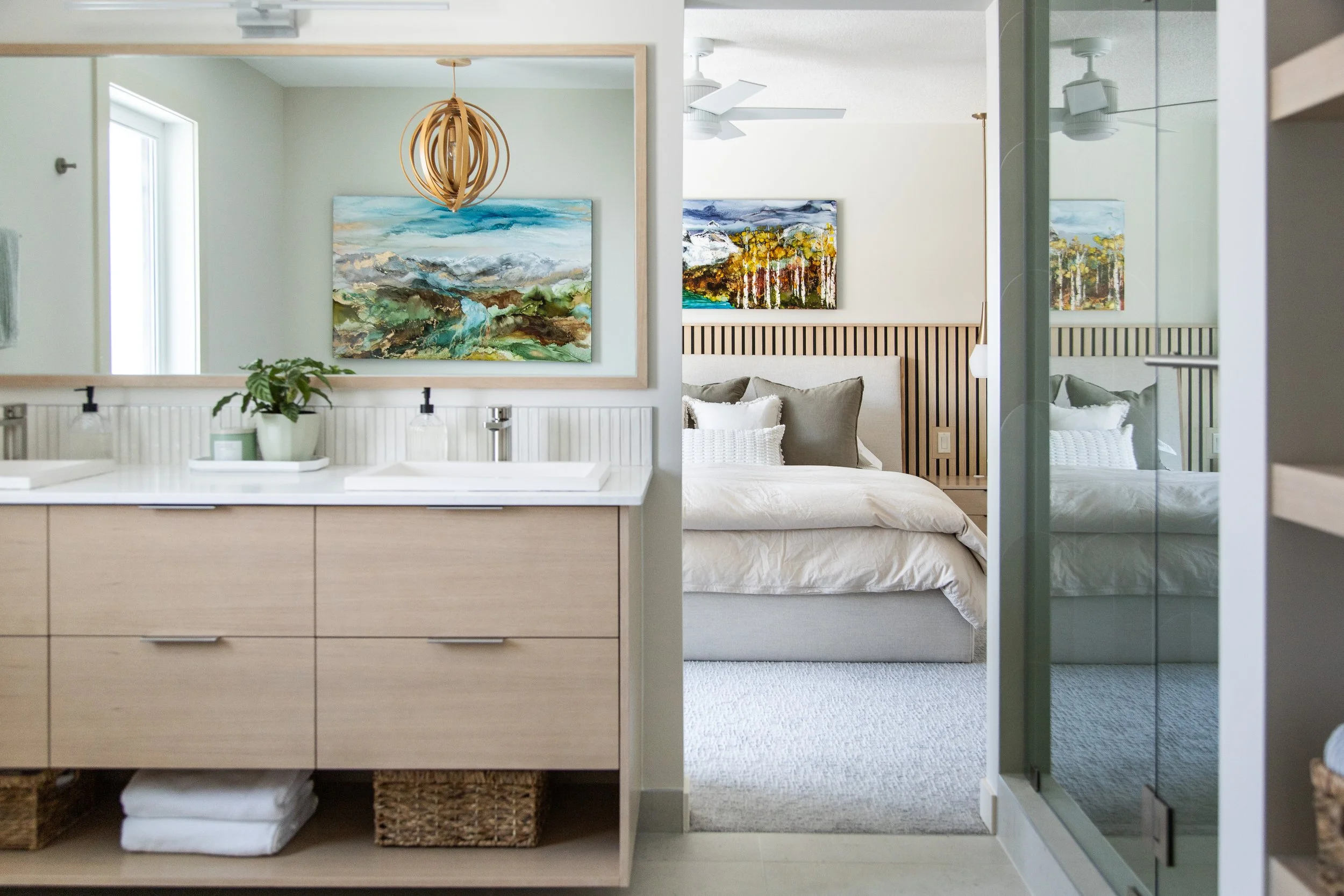
They aren’t the glamorous parts of interior design, but they’re the things that determine whether a beautiful space continues to work once everyday life moves in.
Your Home Should Still Feel Like You
A home isn’t a showroom. Books get left beside chairs because someone is reading them. Children have toys. Families have photographs. People collect art, inherit furniture and bring things home from places they’ve travelled.
The goal isn’t to remove every sign of life in pursuit of a perfectly uncluttered room.
It’s finding the balance between the things you want to see and the things you simply need somewhere to put. When everyday belongings have a natural home, meaningful pieces have room around them and not every surface is competing for attention, the entire space can feel calmer. And sometimes that’s all a home needs. Not less personality, but a little more room for the things that matter.