
Why We Look Up: The Rise of Statement Ceilings
For years, ceilings were expected to disappear. White paint was the default. The goal was simplicity. Keep things bright, neutral, and let the rest of the room do the work.
Lately, that’s started to shift. Designers are paying more attention to what happens overhead, and homeowners are becoming more open to using ceilings as part of the overall design rather than treating them as a surface that simply needs to be finished.
The phrase statement ceiling can mean different things depending on the home. Sometimes it’s bold wallpaper or contrasting paint. In other spaces, it may be wood detail, architectural beams, moulding, texture, or even a carefully chosen light fixture that changes how the ceiling is experienced.
The result isn’t always dramatic. Often, the impact is quieter than people expect.
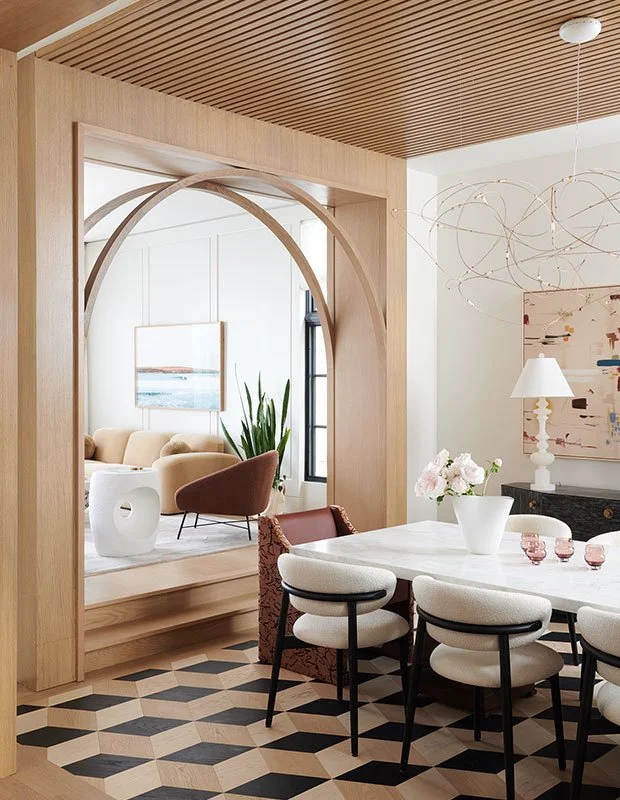
Photographer: Alex Lukey
Designer: Architecture by Stan Makow/design by Michaela Burns
One reason ceilings have gained more attention is because they offer an opportunity to introduce interest without adding clutter. In spaces where walls already hold artwork, cabinetry, shelving, or large windows, looking upward can create balance in a different way.
Paint is often one of the simplest ways to bring the ceiling into the room. A soft colour can add warmth, while a deeper tone can create a more intimate effect. Wallpaper can introduce pattern in an unexpected place, and wood detail or moulding can add texture without relying on more furniture, artwork, or accessories.
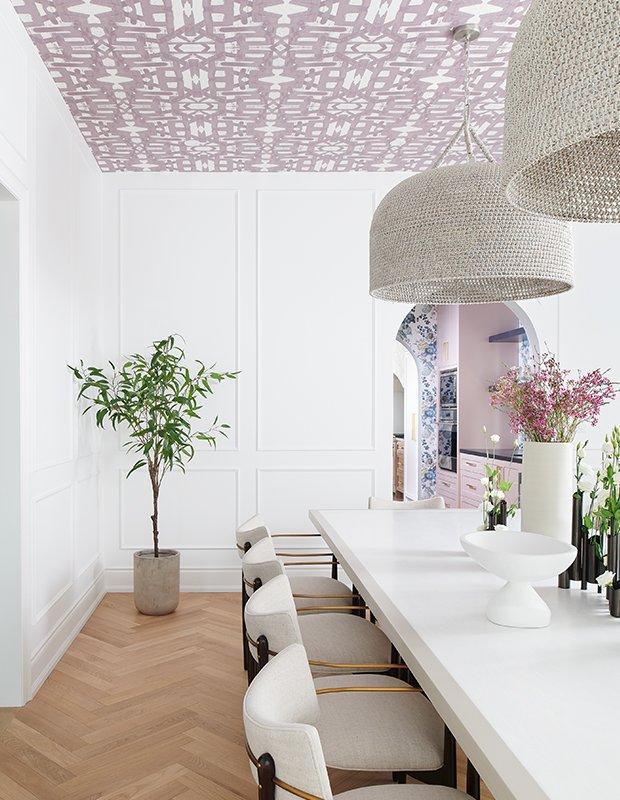
Photographer: Alex Lukey
Designer: Ali Budd
These choices aren’t entirely new, but they do seem to be appearing more often in current interiors. Statement ceilings have become one more way homeowners introduce personality into a space, particularly when walls, furnishings, or architectural details already carry enough visual weight.
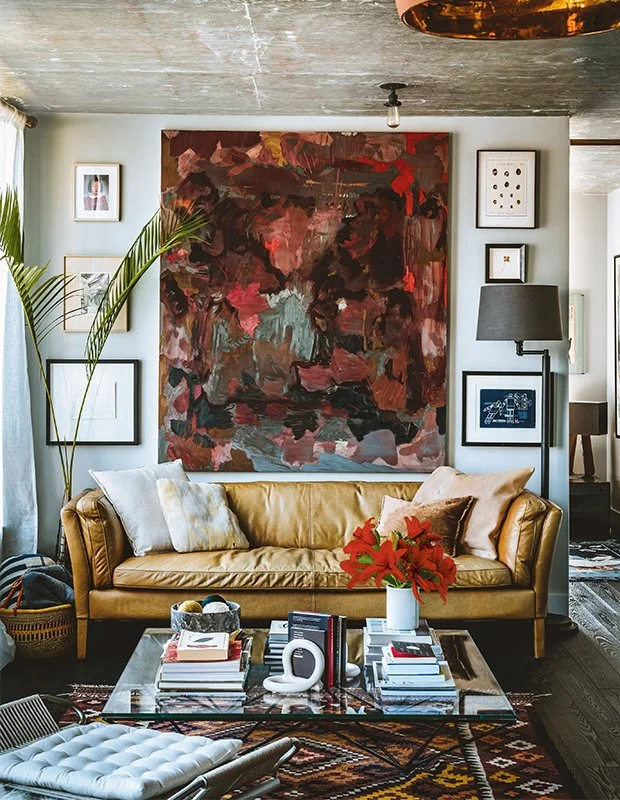
Photographer: Joann Pai
Designer: Jackie Kai Ellis
Perhaps the appeal of statement ceilings is that they do not always announce themselves immediately. Sometimes people walk into a room and simply feel that it works. The room feels warmer, more layered, or more memorable, without it being obvious why.
The strongest examples tend to feel connected to the rest of the space rather than separate from it. A ceiling may draw the eye upward, but it still needs to sit comfortably alongside everything happening below it.
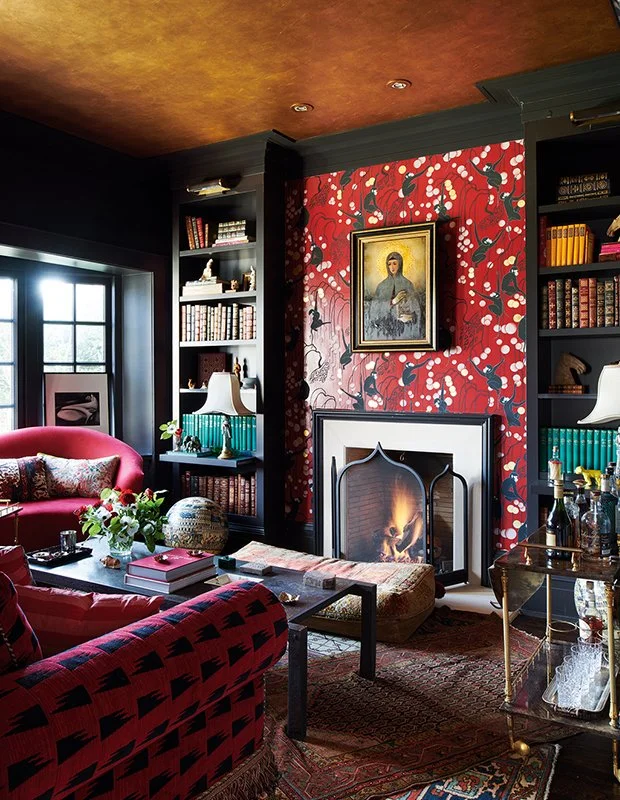
Photographer: Alex Lukey
Designer: Colette van den Thillart
Not every home needs a statement ceiling, and white ceilings are unlikely to disappear altogether. But as homeowners continue looking for ways to add character beyond furniture and accessories, ceilings may remain part of the design conversation for longer than expected.
Occasionally, looking up changes the room entirely.