
The Enduring Appeal of the Gallery Wall
Gallery walls may feel like a modern design feature, but they have been around far longer than many people realize.
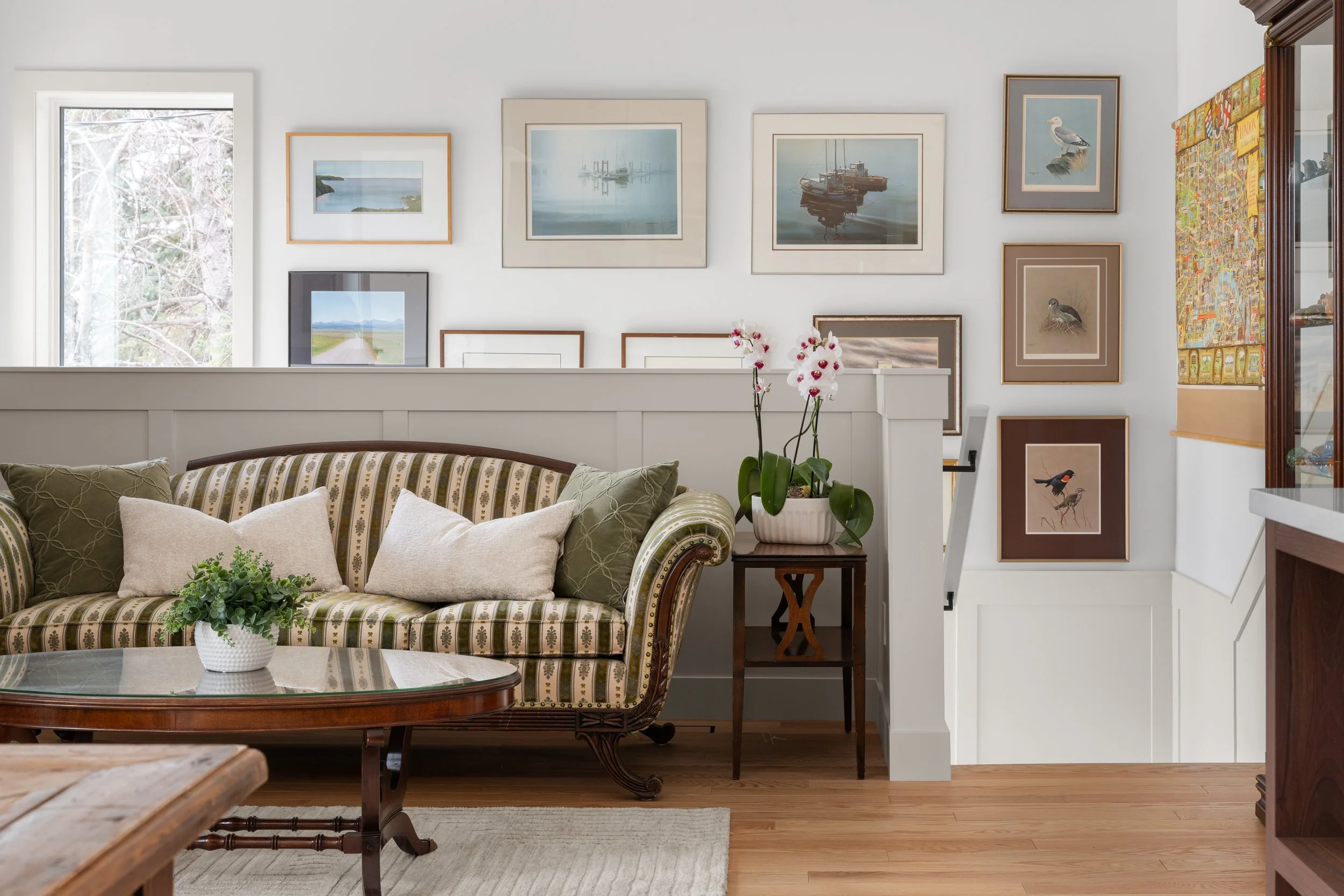
Their origins can be traced back centuries to salon-style displays, where artwork was hung closely together from floor to ceiling in galleries and private homes. While today's gallery walls tend to be less formal, the basic idea has remained remarkably consistent: bringing together a collection of pieces that tell a story.
Centuries later, gallery walls continue to appear in homes of every style. So what is it about them that has allowed them to endure?
More Than a Collection of Frames
A gallery wall is often about more than filling an empty wall. It creates an opportunity to display multiple pieces together, whether that includes artwork, photography, vintage finds, family heirlooms, or collected treasures acquired over time.
Rather than relying on a single piece, a gallery wall allows a collection to tell a broader story and contribute to the overall character of a space.
No Single Formula
Part of the appeal of a gallery wall is its flexibility. Some feature matching frames arranged in a precise grid. Others take a more relaxed approach, combining different frame styles, sizes, and artwork in a way that feels layered and organic.
The most successful gallery walls are not necessarily the most perfect. They are the ones that feel cohesive, whether through colour, subject, scale, or simply a shared sense of style.
A Natural Fit for Staircases and Transitional Spaces
Gallery walls are particularly effective in staircases, hallways, and landings.
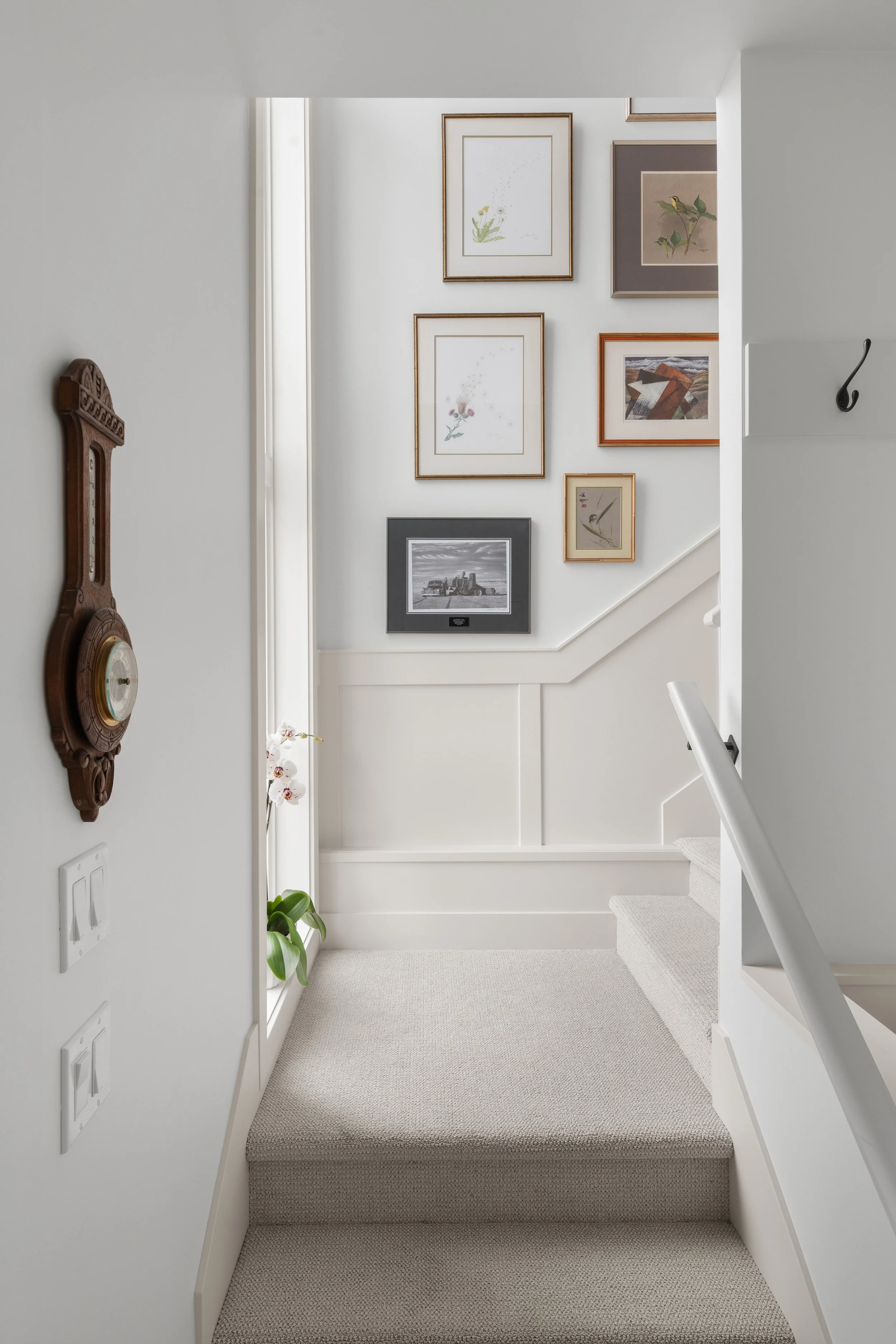
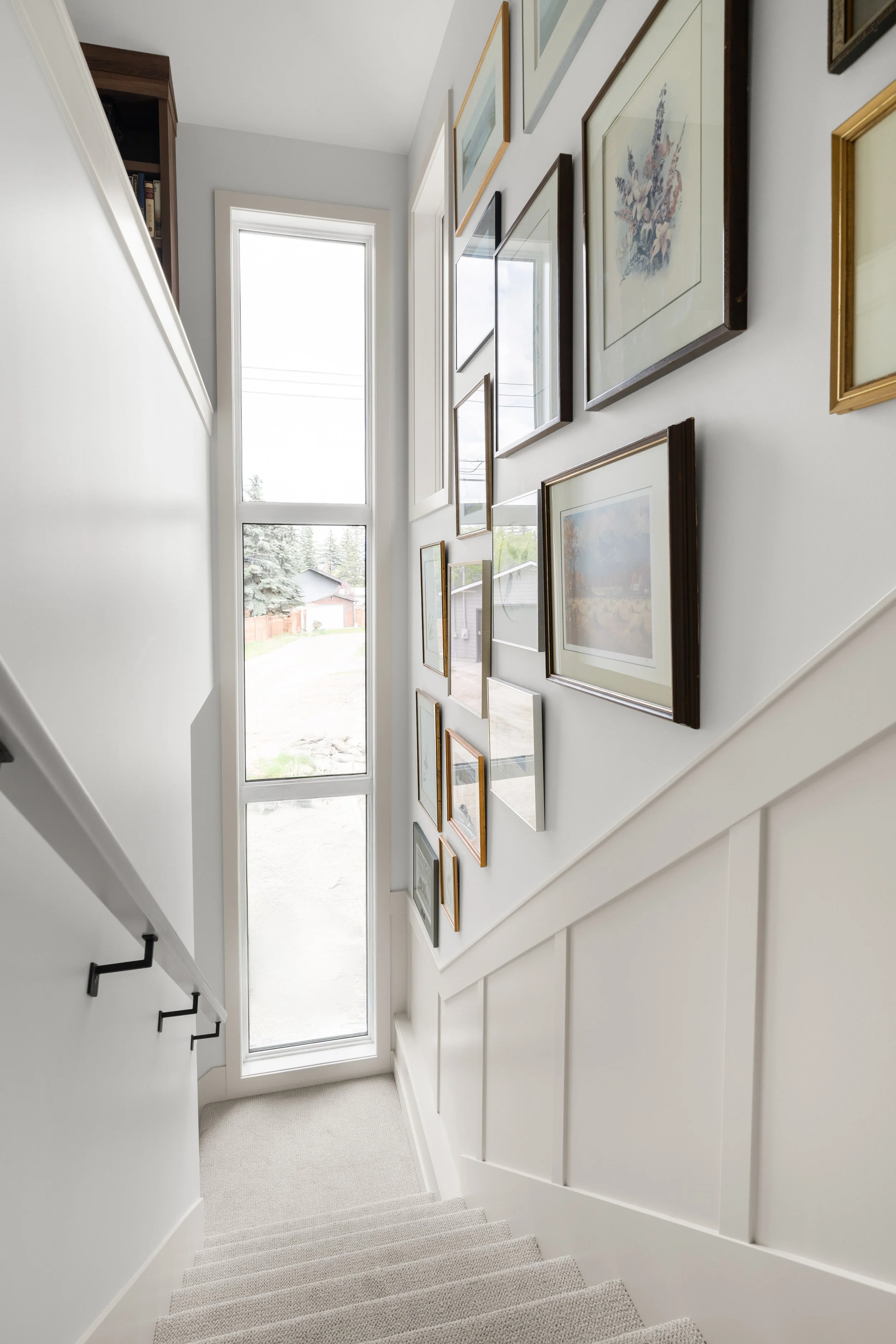
These areas often provide large stretches of wall space, making them ideal for displaying a collection of artwork. The arrangement can follow the architecture of the home, drawing the eye upward and creating visual interest in spaces that are sometimes overlooked.
A staircase gallery wall can transform a functional area into a feature that feels integrated into the overall design of the home.
Designed to Grow Over Time
Unlike some design decisions that feel fixed, gallery walls can grow alongside the home itself.
A new piece of artwork, a favourite photograph, or a meaningful find can be added years later without disrupting the overall composition. Collections often develop gradually, reflecting changing interests, experiences, and memories over time.
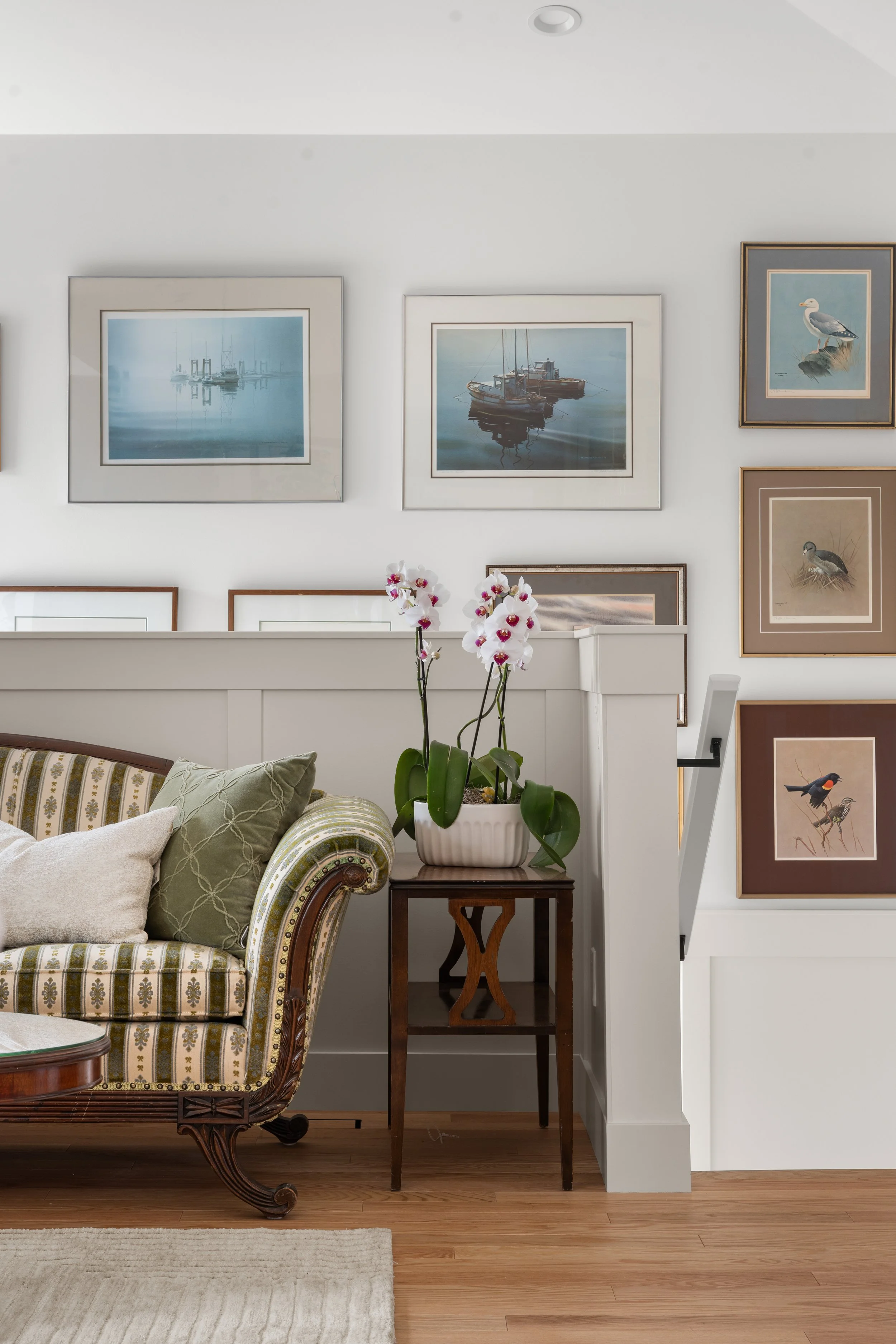
For many homeowners, that ability to add, edit, and rearrange is part of what makes gallery walls so appealing. Traditional or contemporary. Formal or relaxed. Colourful or understated. Gallery walls can be interpreted in countless ways while still serving the same purpose: displaying a collection of pieces that matter to the homeowner.
While the artwork, frame styles, and arrangements may differ from one home to the next, the appeal of bringing meaningful pieces together on a wall remains much the same. It is likely one of the reasons gallery walls continue to find their place in homes century after century